In every town there is a main square, the epicentre of political, financial and social life, where the community gathers to make crucial decisions. For the old town, this was Piazza Costantinopoli, the centre before urban expansion extended the town beyond its ancient walls. This square, which also housed the Sedile dei Nobili, was the scene of many dramatic events and power struggles. In 1382, there were critical struggles between the Spedoni and the powerful Spinelli family. After being accused of tyranny, the Spinelli family were banished from Giovinazzo and all their property destroyed with the exception of their home, Torre Spinelli-Sagarriga. However they were soon to return and brutally punish the uprisers. Legend has it that as a sign of triumph and as a warning, the decapitated heads of the rebels were cast against the façade of the church of Santa Maria di Costantinopoli, defiling it with blood.
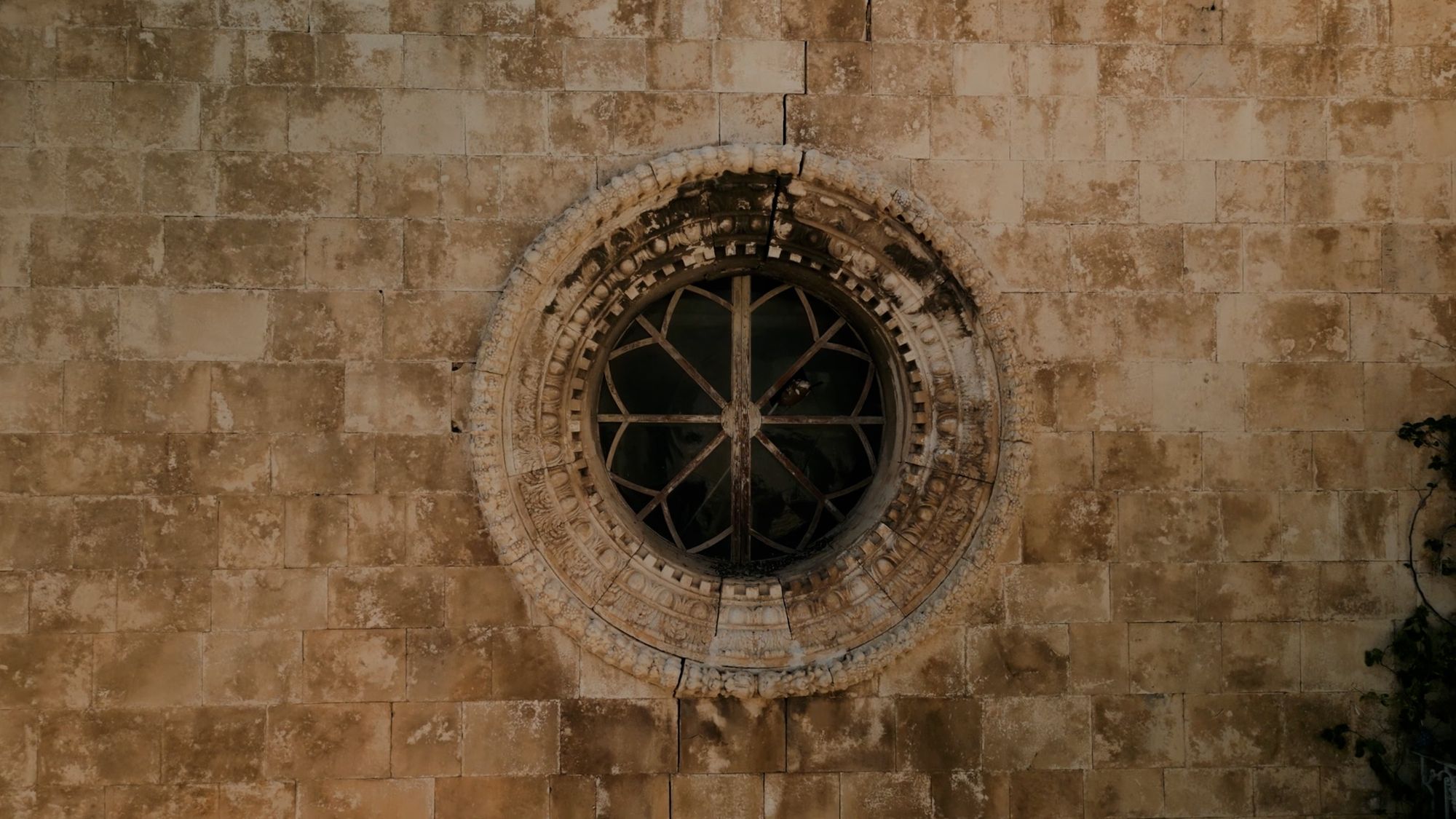
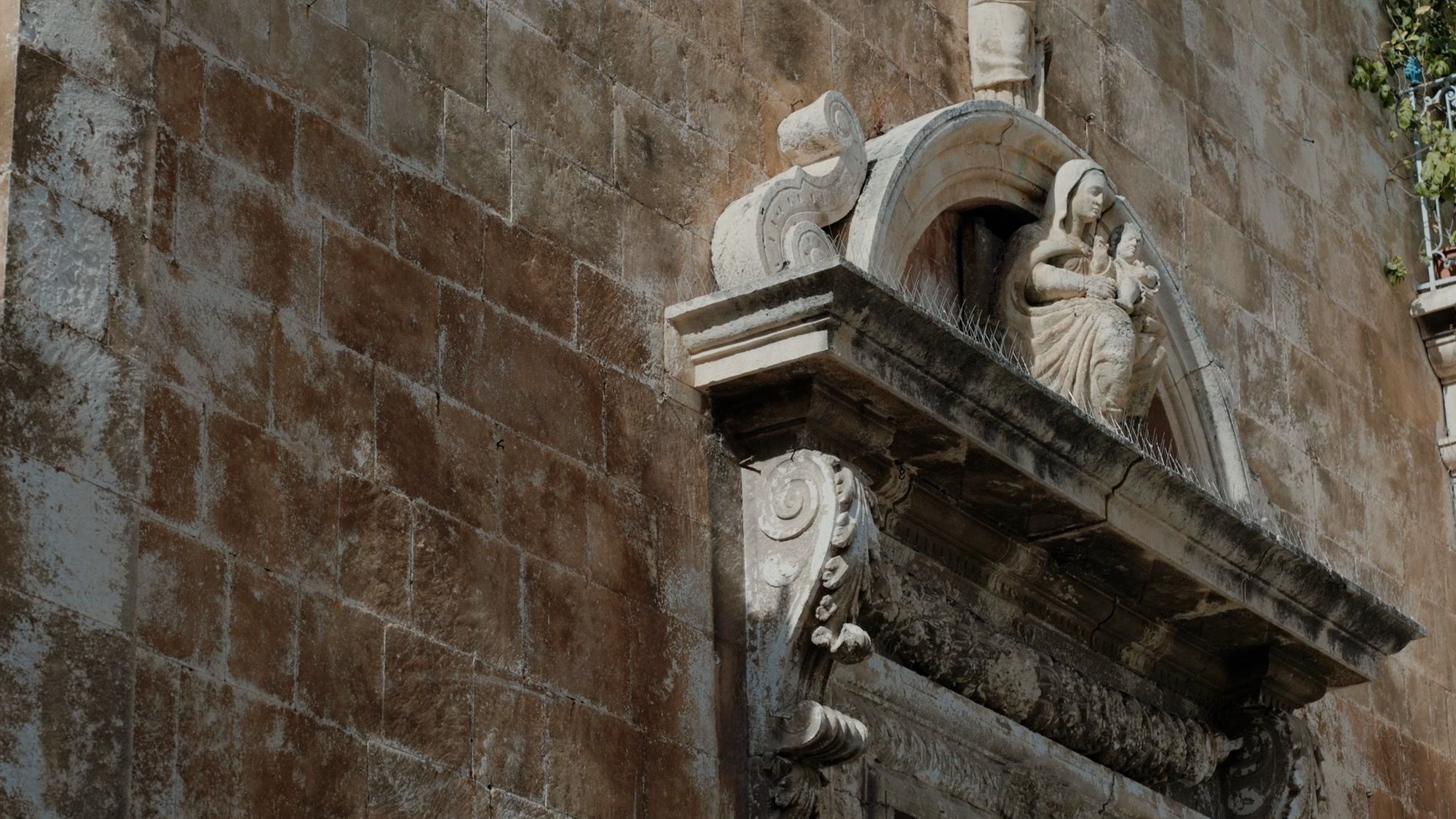
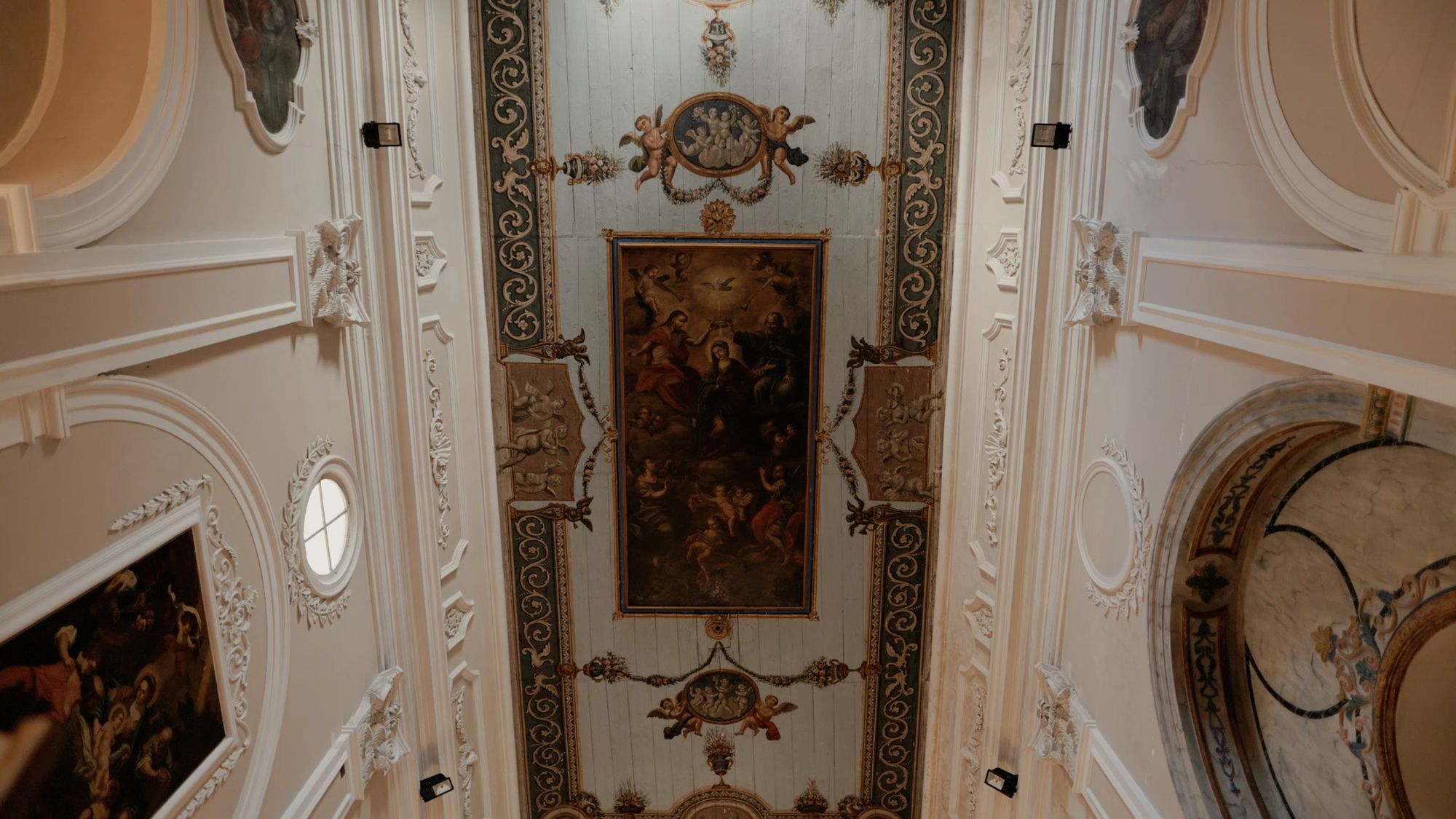
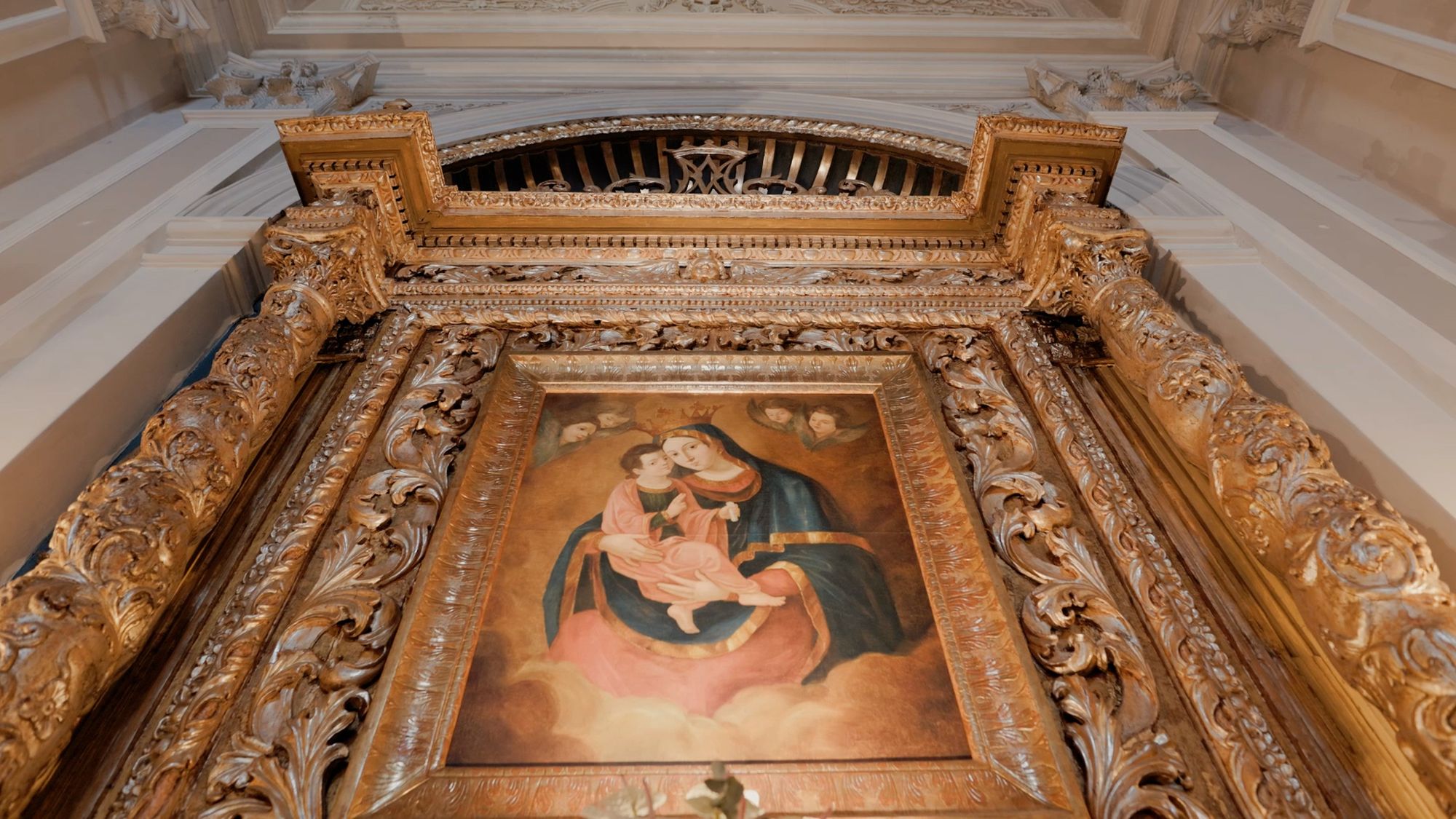
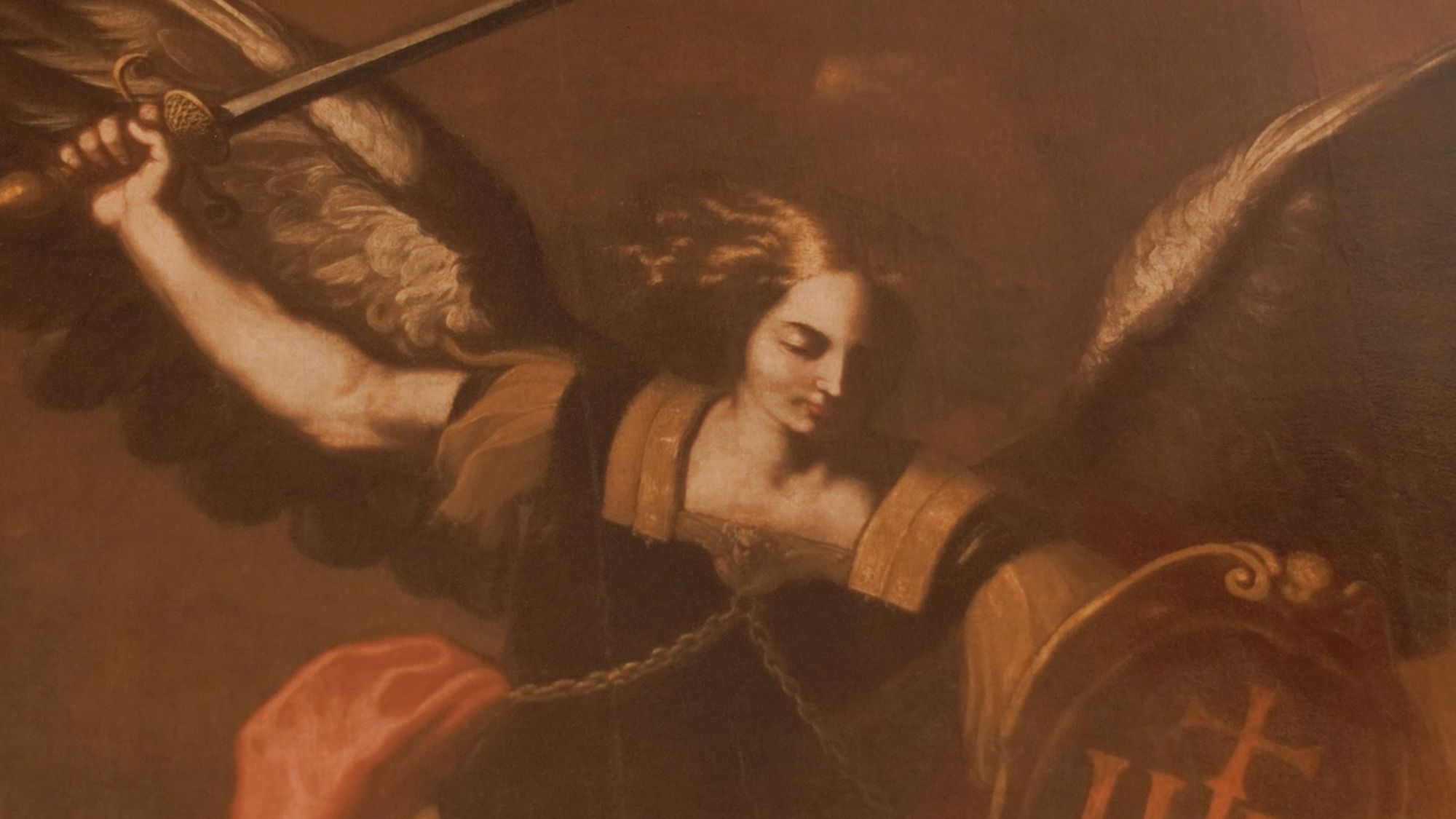
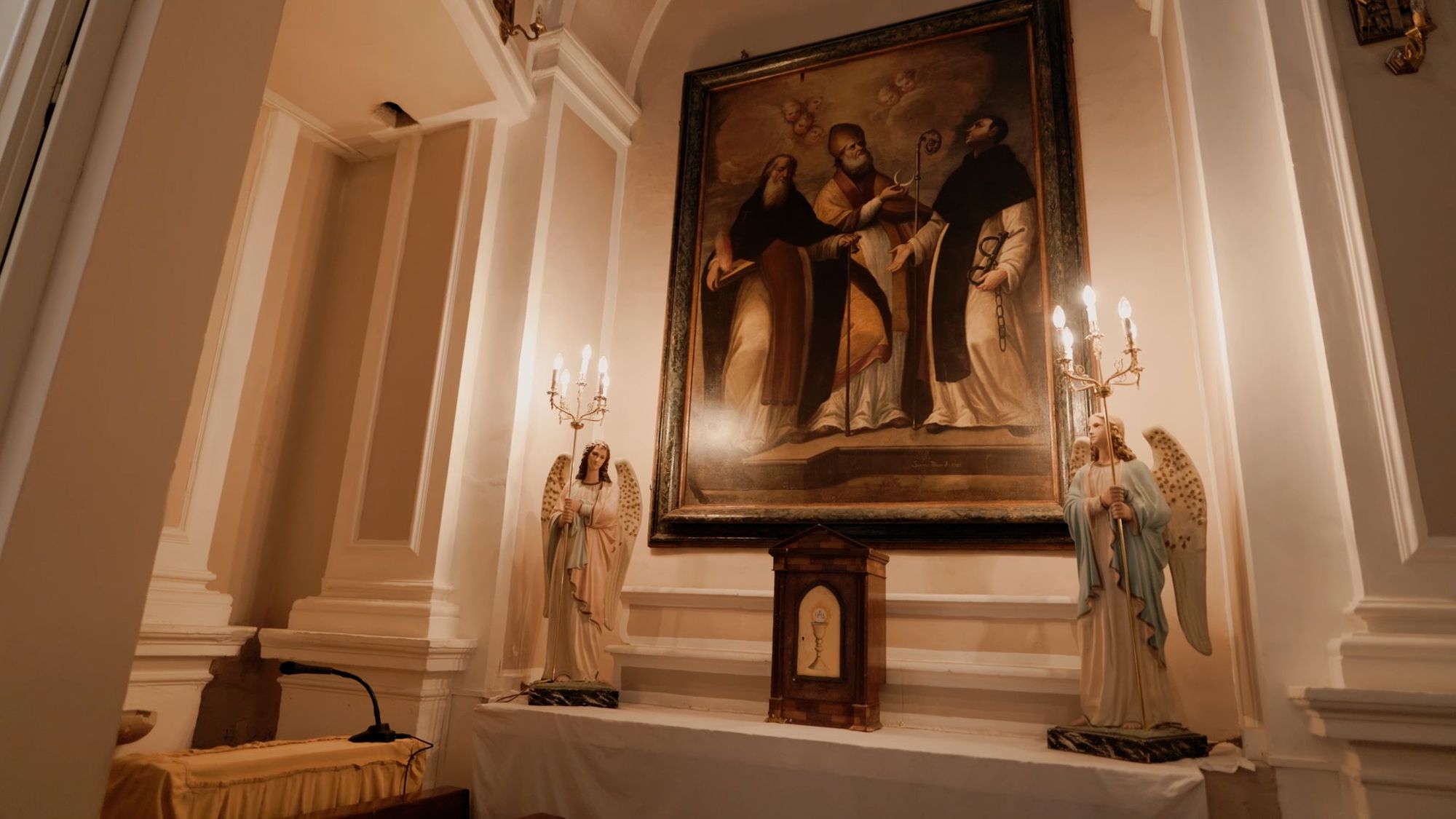
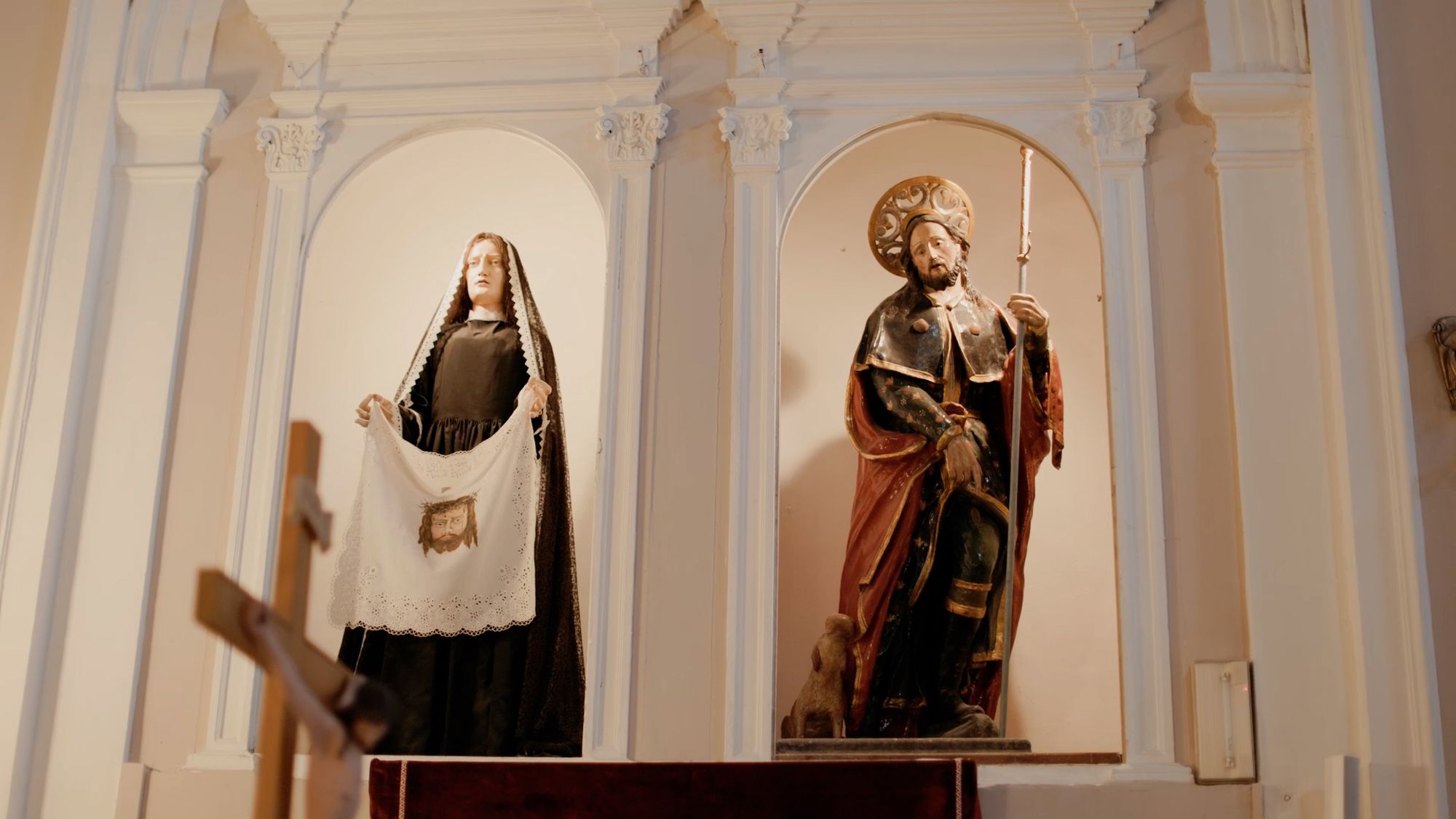
Over the course of the centuries, the square became the site of a busy town market. The church of Santa Maria di Costantinopoli, originally dedicated to San Rocco, is built from calcareous stone and bears the city crest with the image of St. Thomas. Its façade is dominated by a 16th century doorway below a lunette depicting the Virgin Mary with Baby Jesus, much revered in Constantinople. This cult came to Giovinazzo through commercial trade between this land and Byzantium. The side altars are adorned with statues and paintings, among which the effigies of St. Anthony the Abbot, St. Donatus and St. Leonard and a work by Carlo Rosa depicting St. Michael the Archangel. The ceiling is decorated by a painting by De Musso which depicts the crowning of the Virgin Mary, a work of art which holds much fascination for visitors.
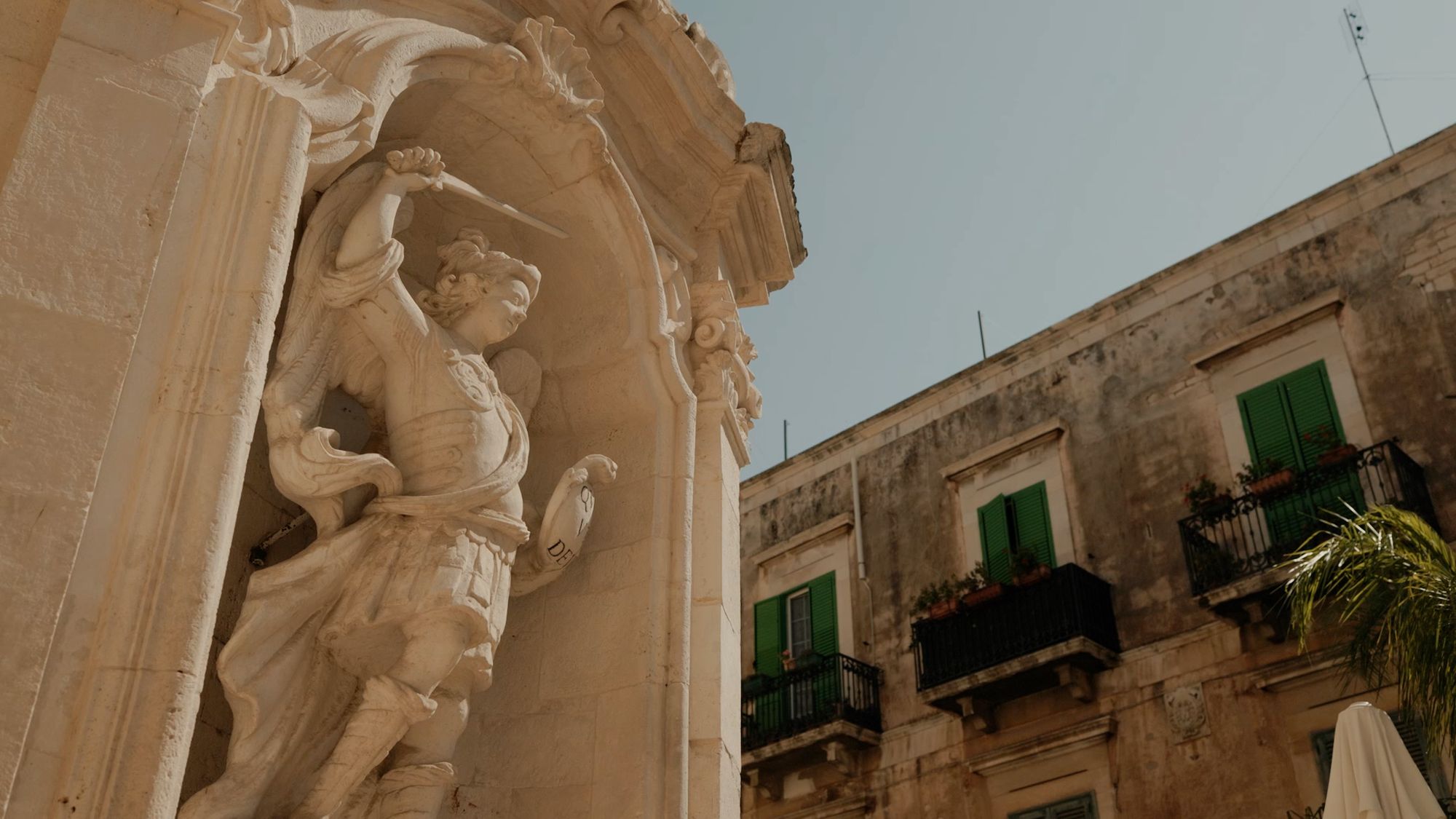
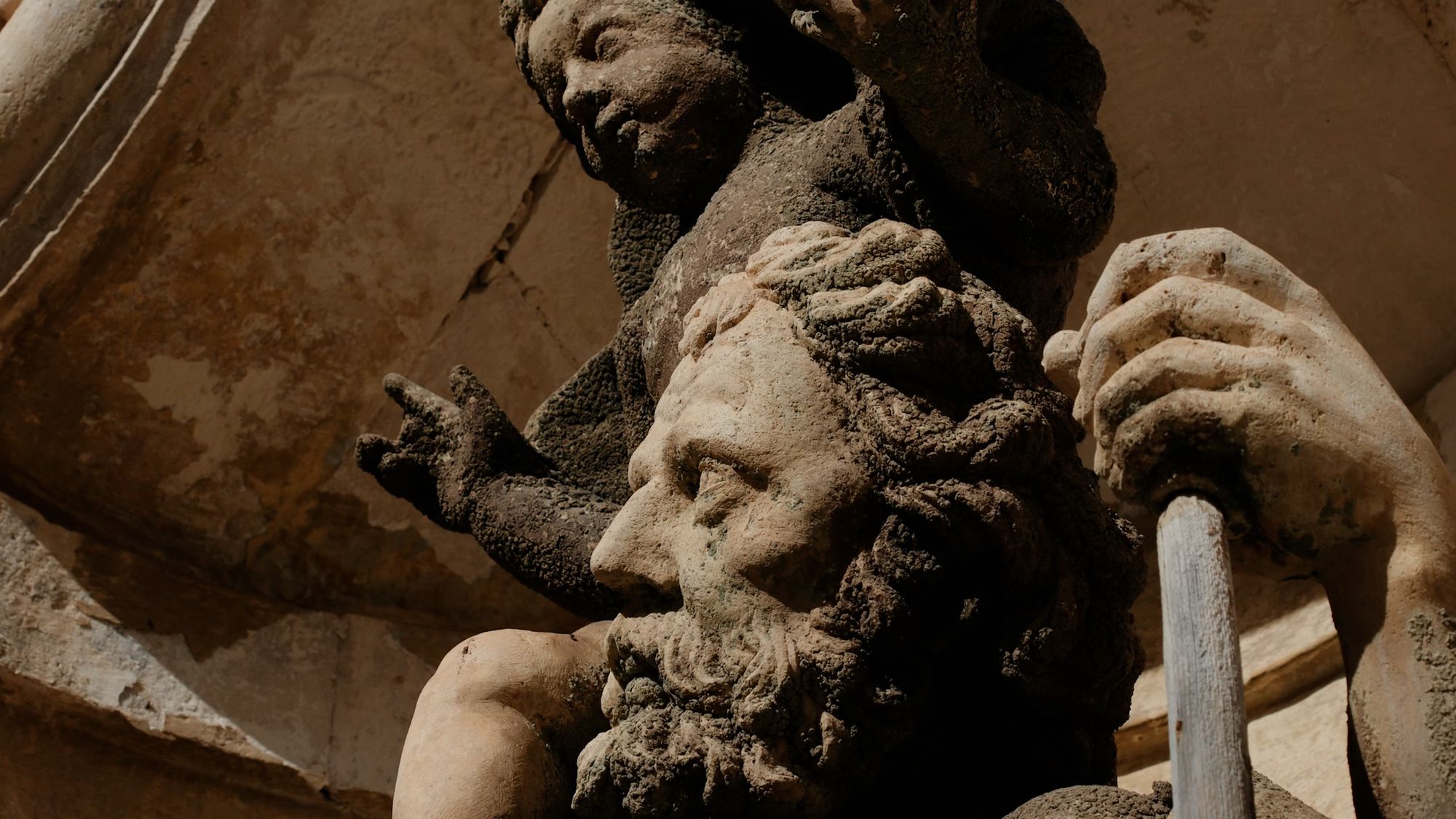
Next to the church is a statue of St. Christopher, sculpted by Antonio Altieri in 1763 commissioned by Leonardo Rodogni. A year later, Altieri also created the statue of St. Michael the Archangel, situated on the opposite side of the square, portrayed in the act of fighting the dragon, a symbolic triumph of good over evil.