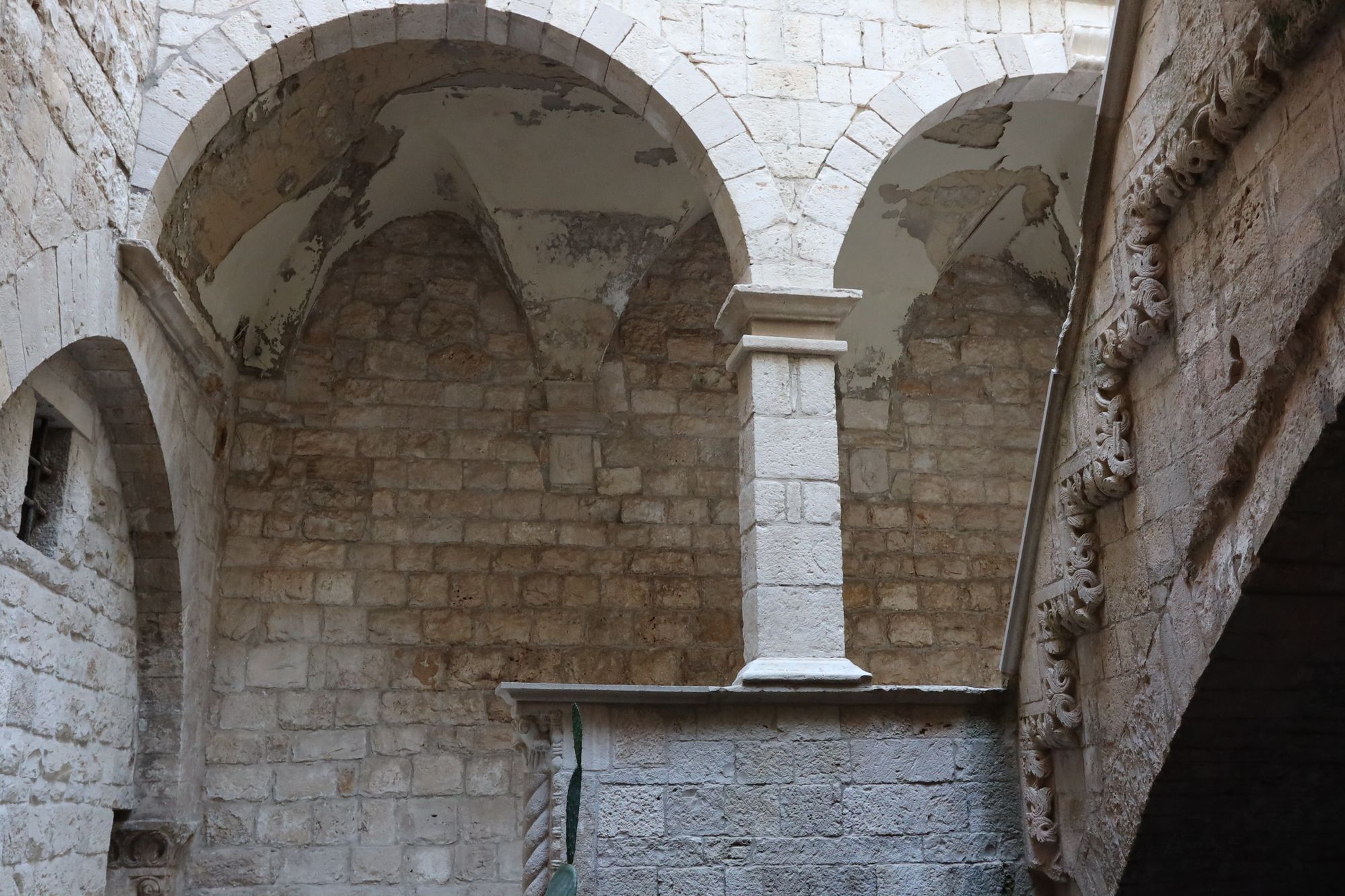
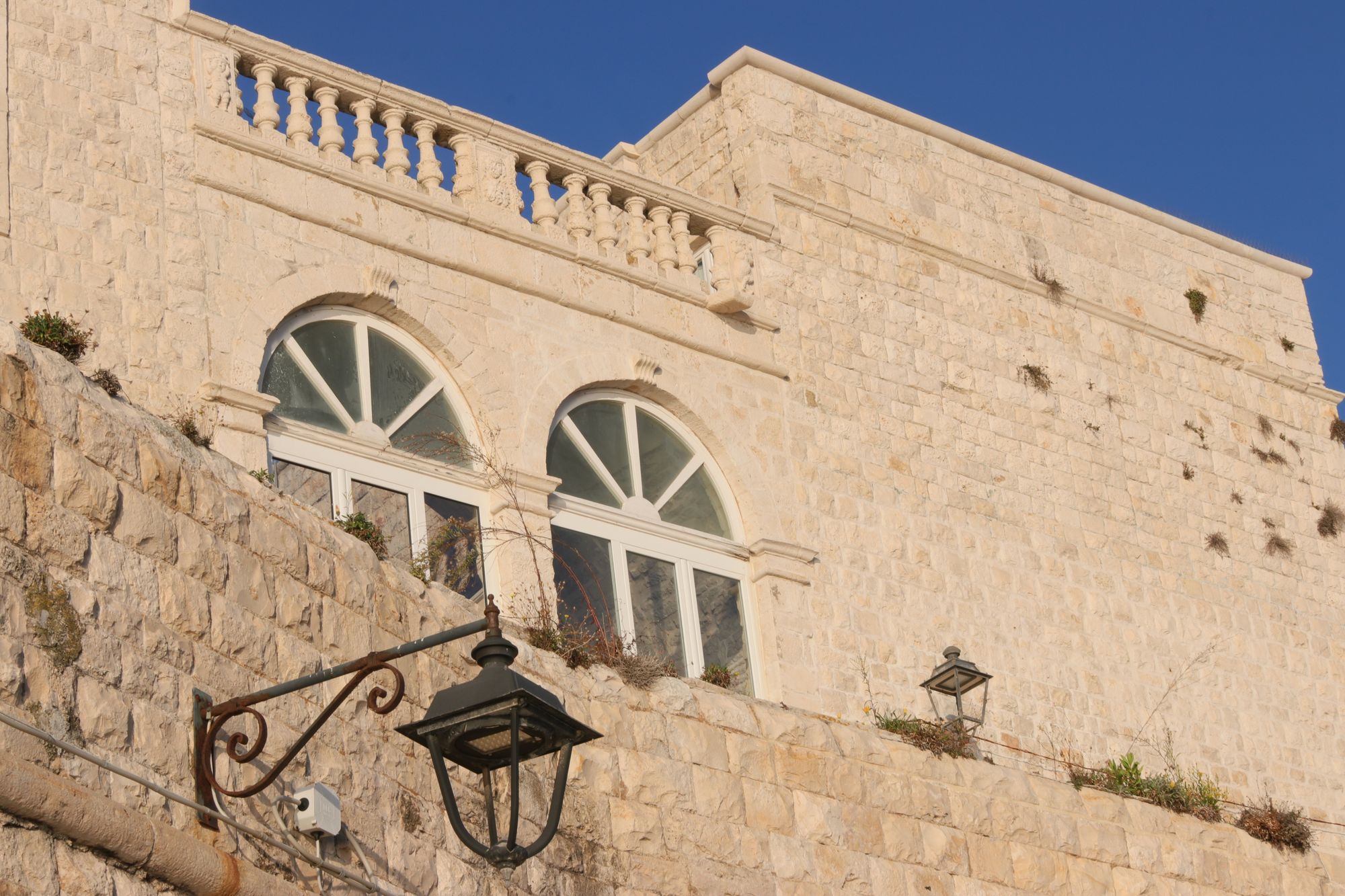
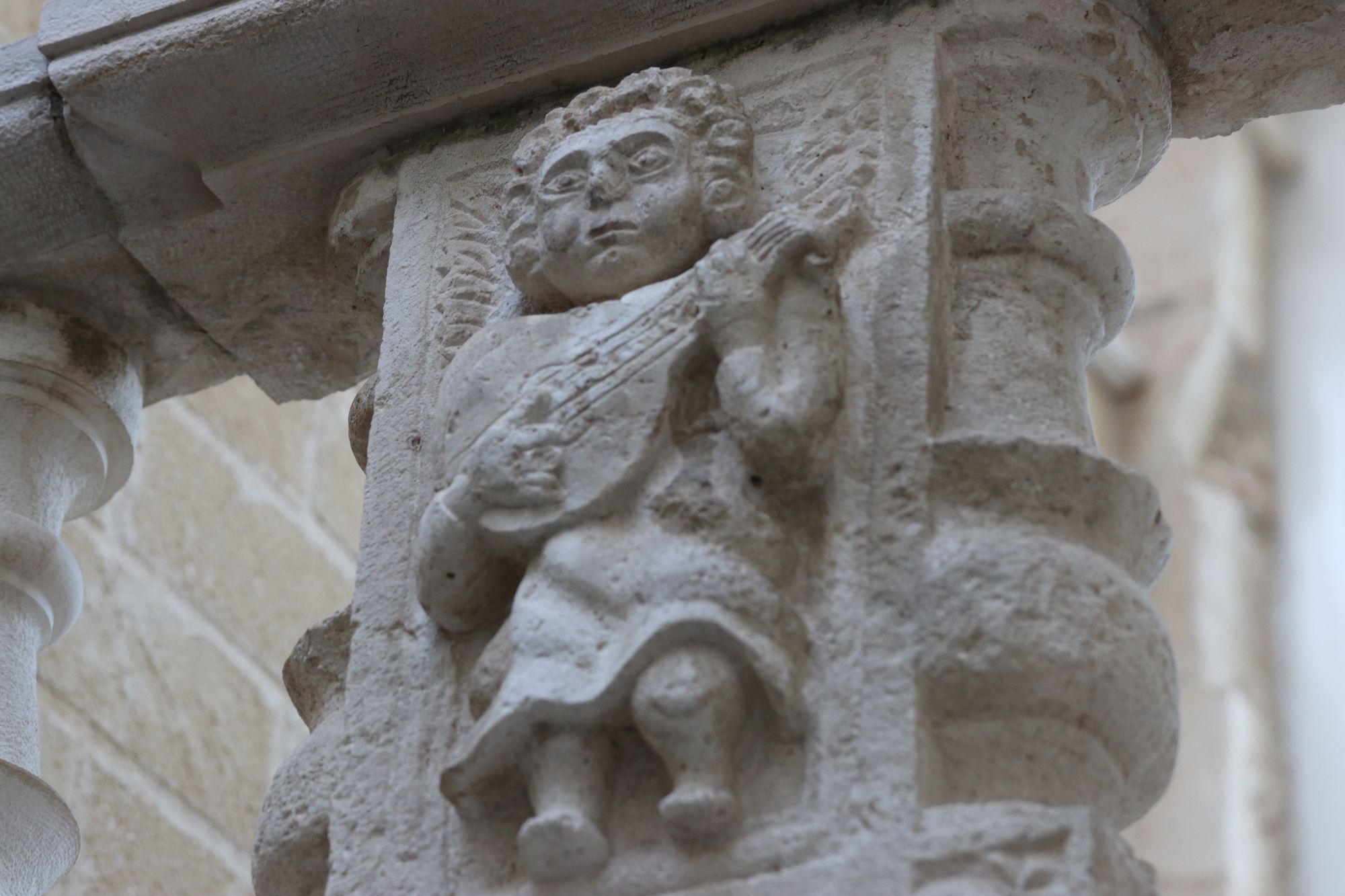
Adjacent to the mighty east-facing city walls and overlooking the charming Piazza delle Benedettine, this elegant building stands as silent witness to an illustrious family of Germanic lineage. This noble family was one of the wealthiest and most influential in the town and produced many distinguished figures through the centuries. In medieval times, the jurist Lupone was a loyal advisor to Emperor Federico II and the legislator Pavone Lupis dispensed justice with impartiality and rigour under the Aragonese rule. In the 16th century, the poet and chronicler Bisanzio Lupis, author of the Opera Universale, took it upon himself to become the custodian of the memory and heritage of his family. He was keen to revive the splendour of his family name and reacquired their former residence, built in the 14th century and later sold to the Chiurlia family. The building, originally having a rectangular plan, underwent significant transformation and a new, trapezoidal shaped extension was added.
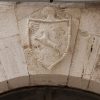
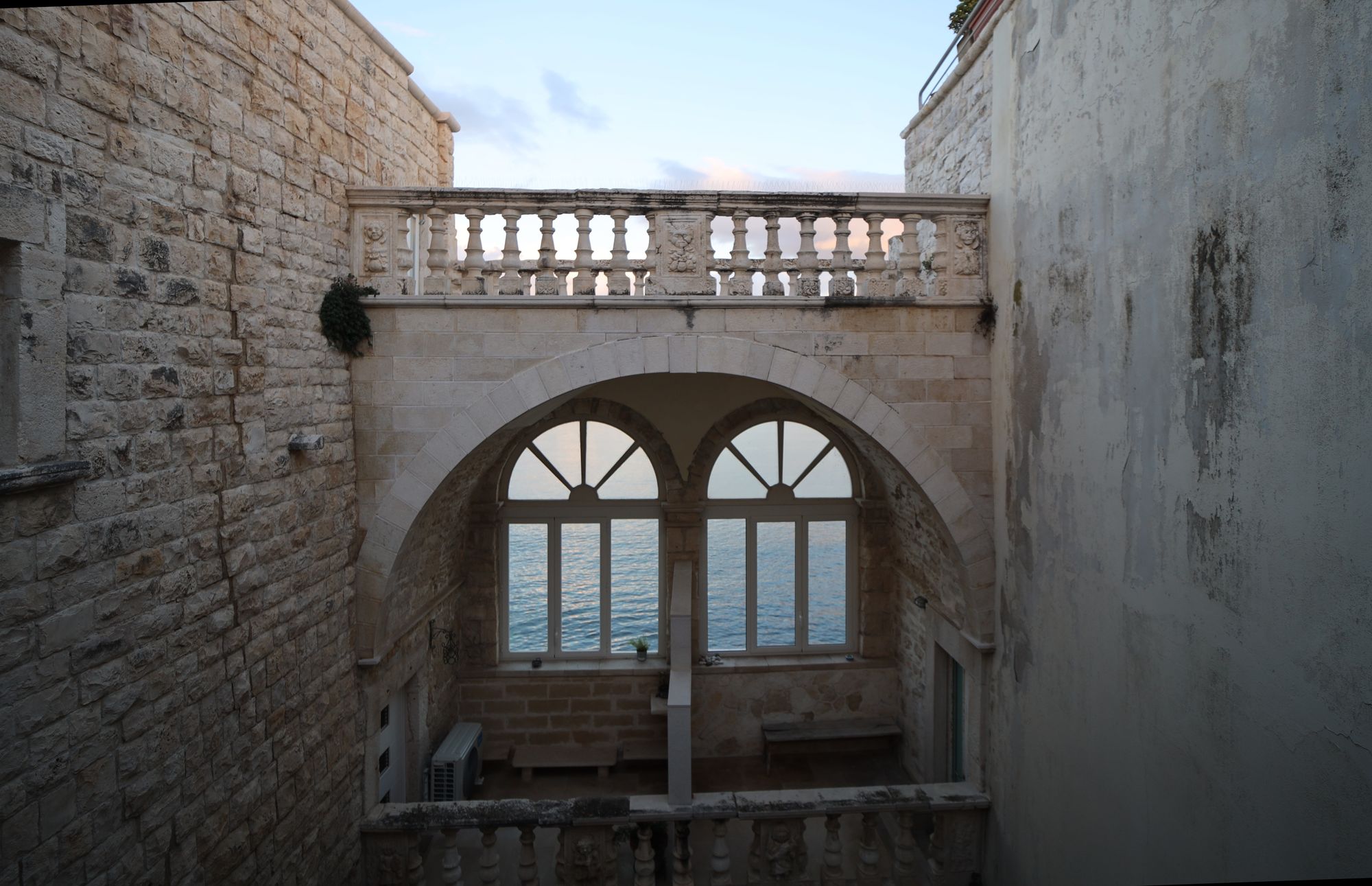
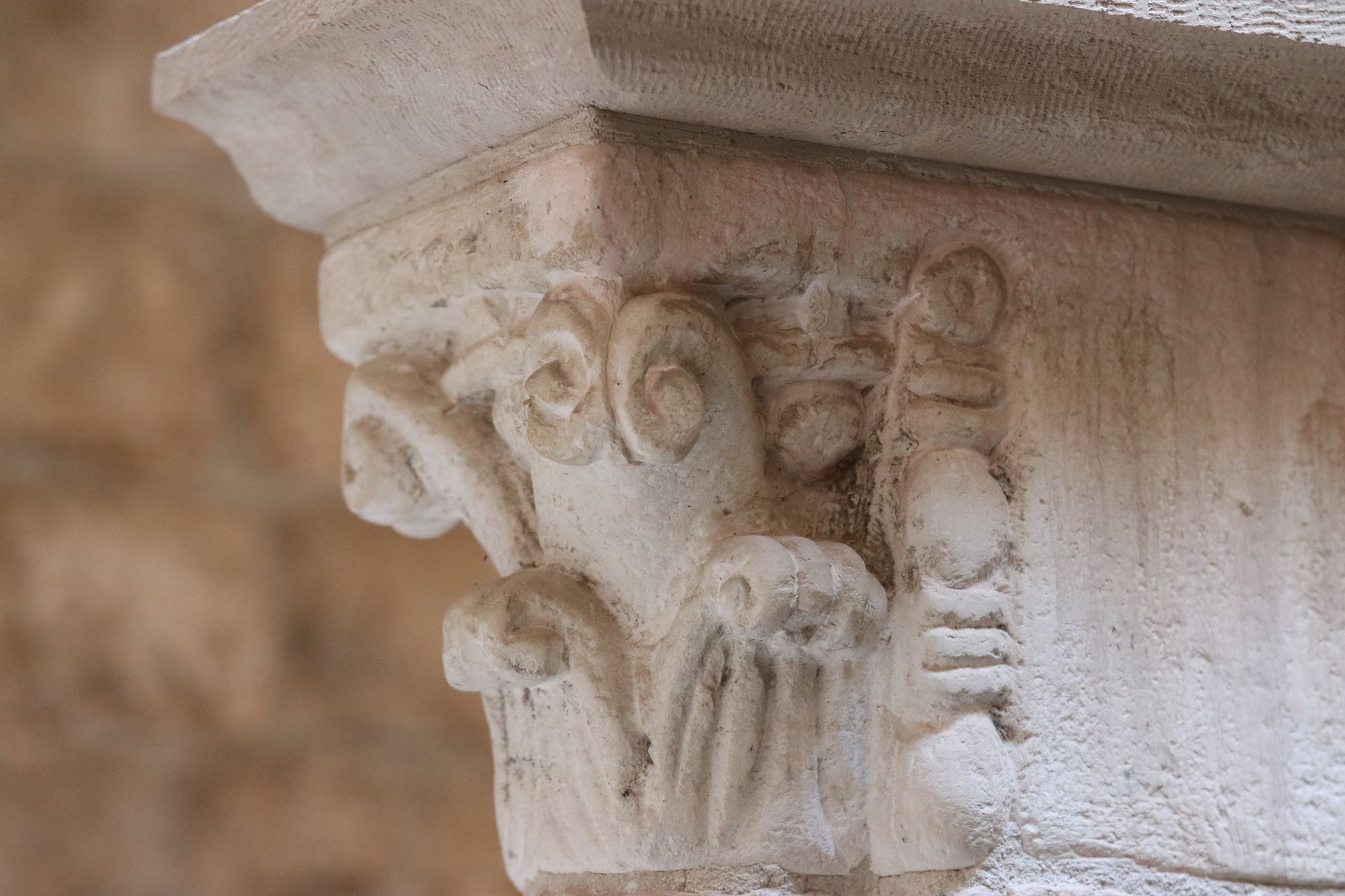
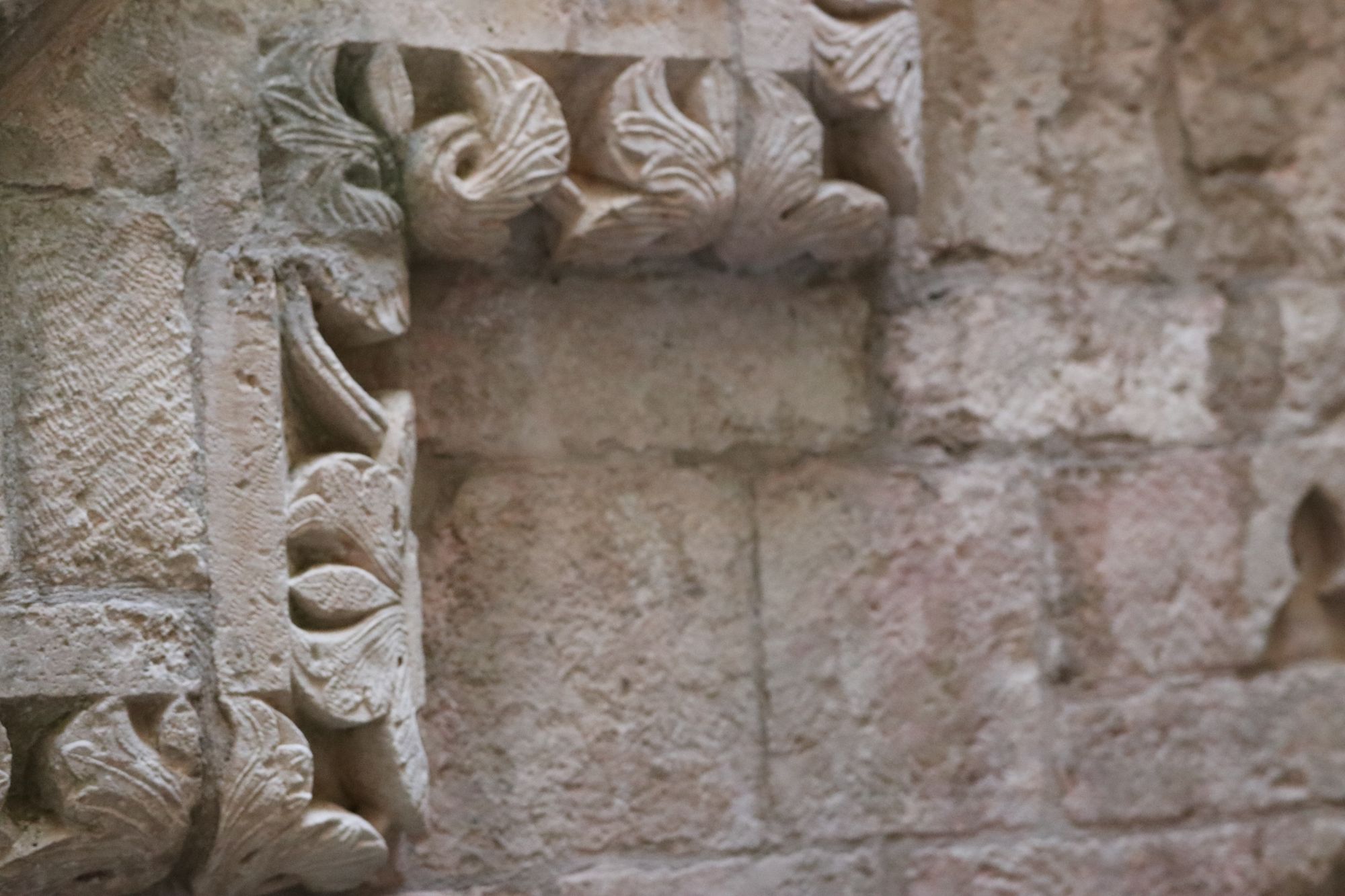
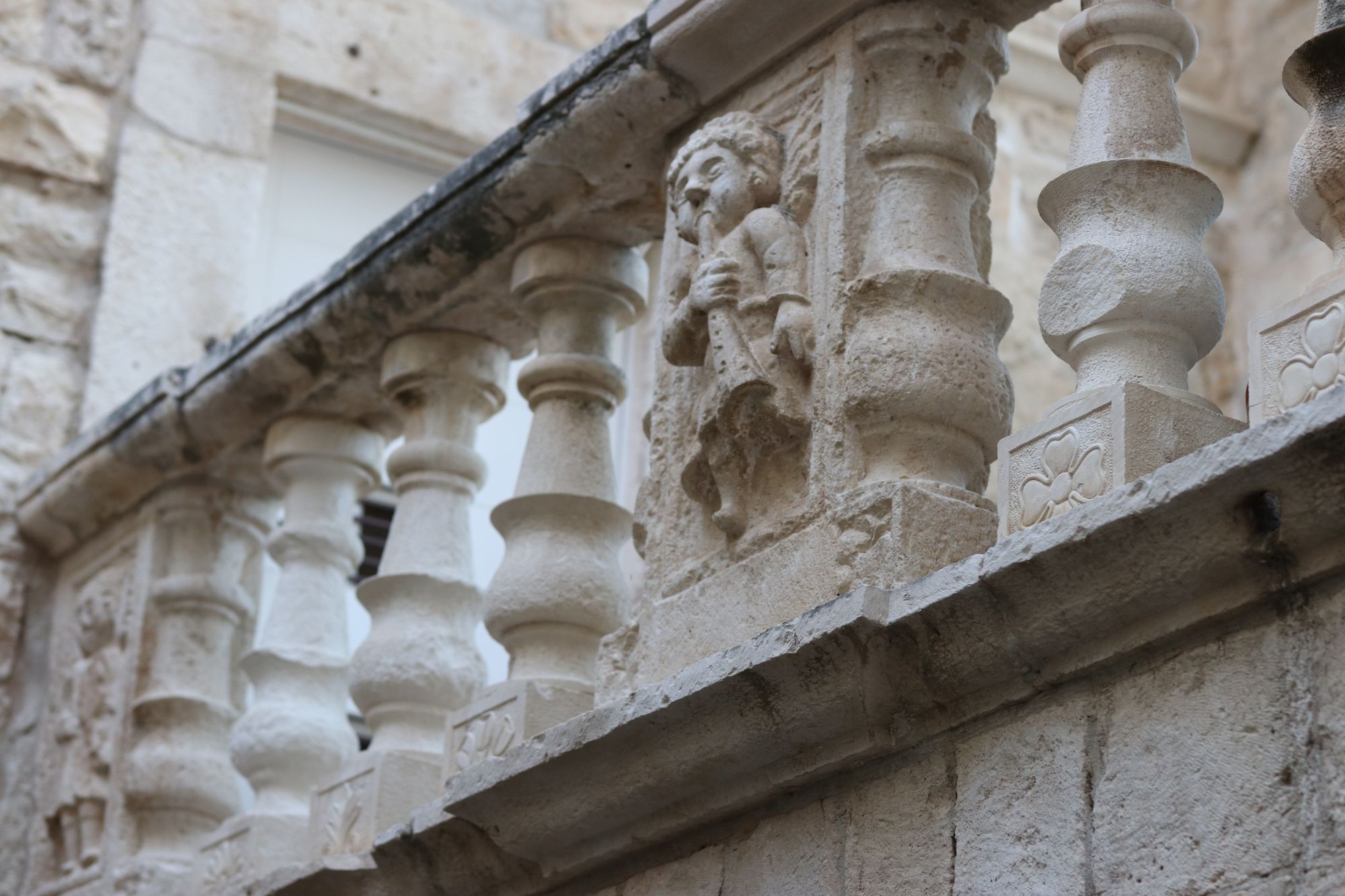
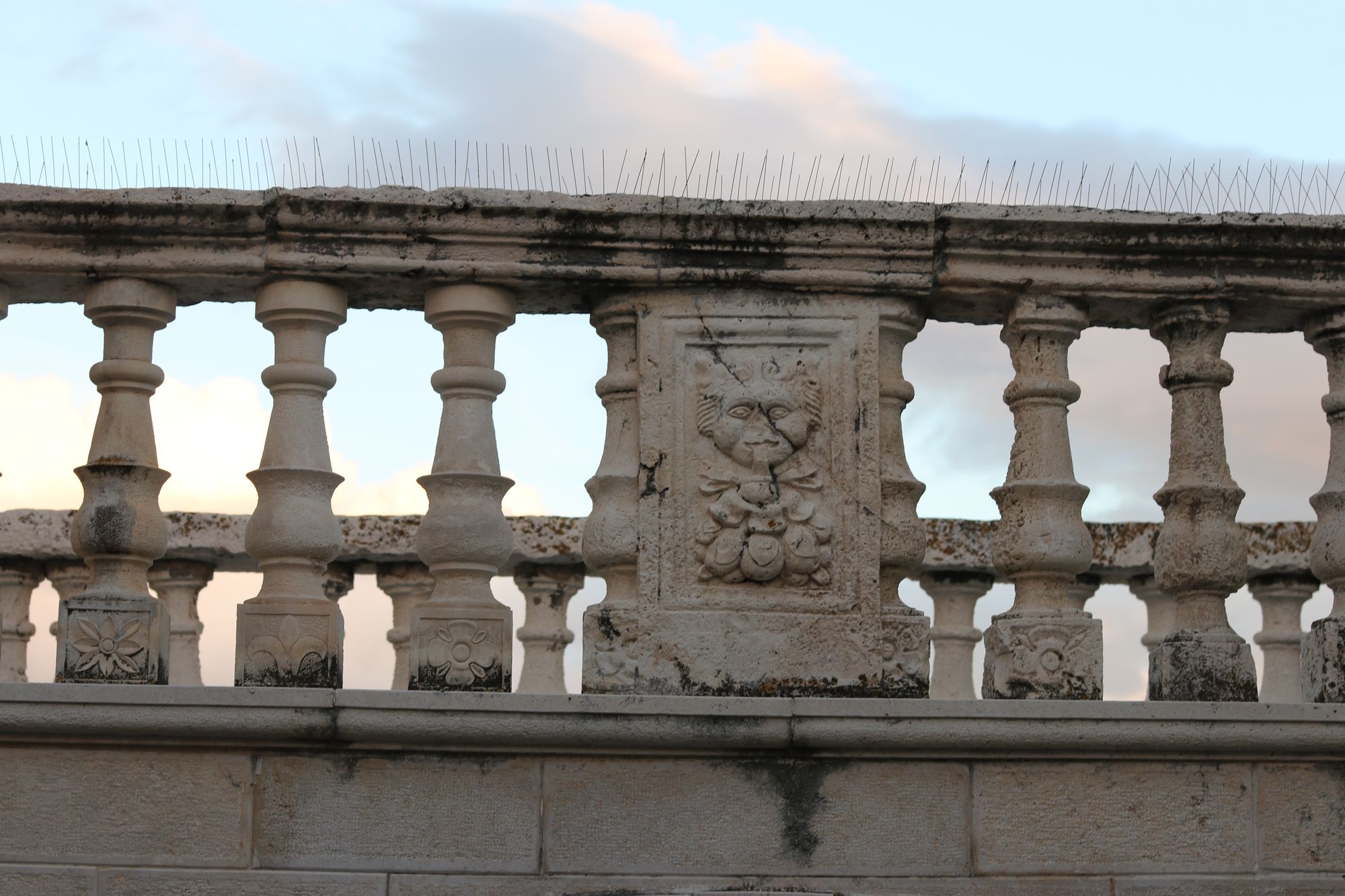
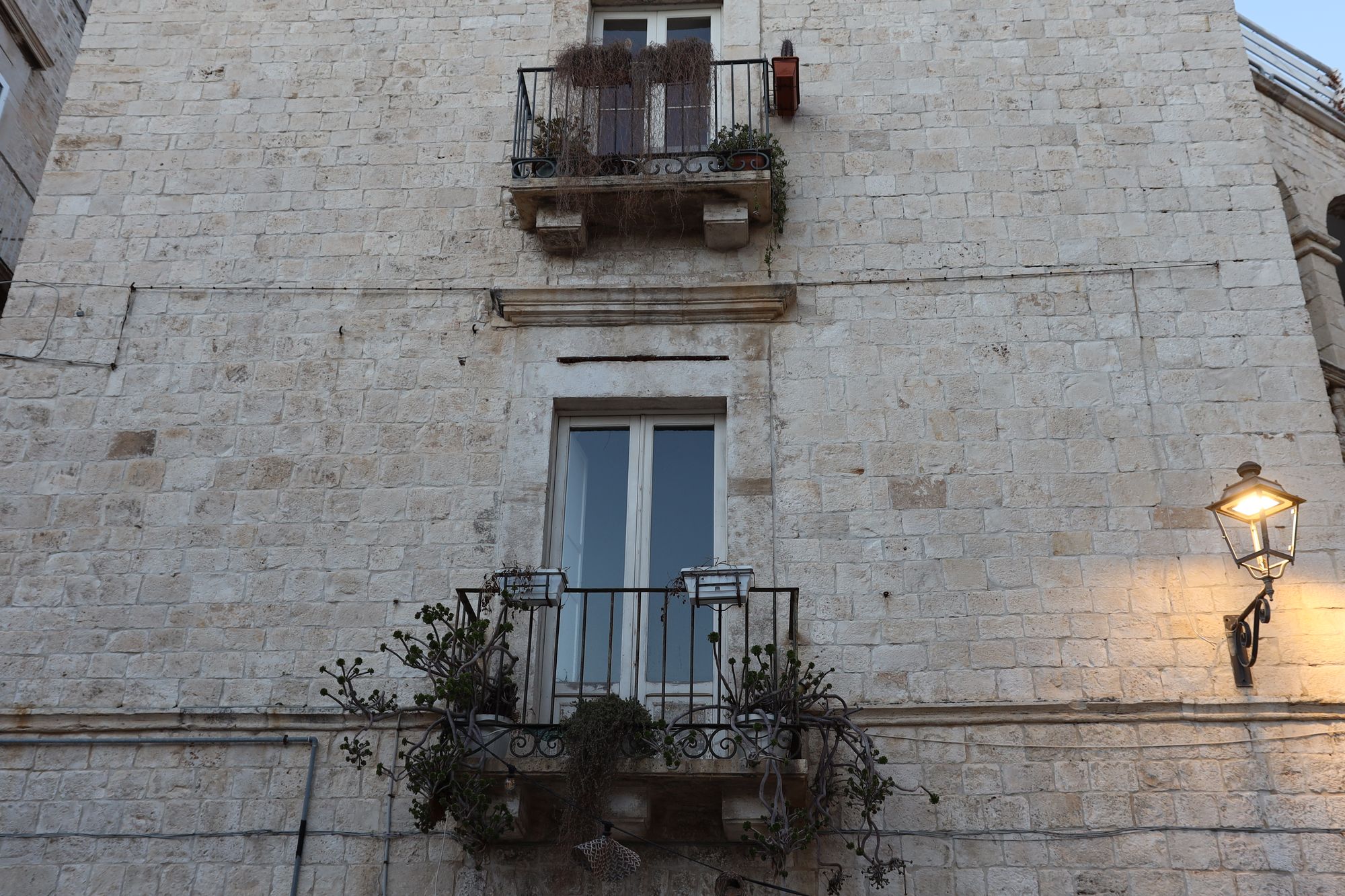
Over time, the medieval charm of the residence was sympathetically integrated with modern elements. The loggias added to the upper floor with their columns and pillars bestow a timeless grace to the building. The family crest can be seen above the main door: a wolf howling at the sun, a symbol of nobility and aspiration. From the upper floor visitors can admire a spectacular view of the sea. One of the balconies has hosted the literary festival “Poesie al Balcone” (poetry on the balcony), an event which celebrates poetry and culture in beautiful settings.