Chiesa Spirito Santo
(14th century)
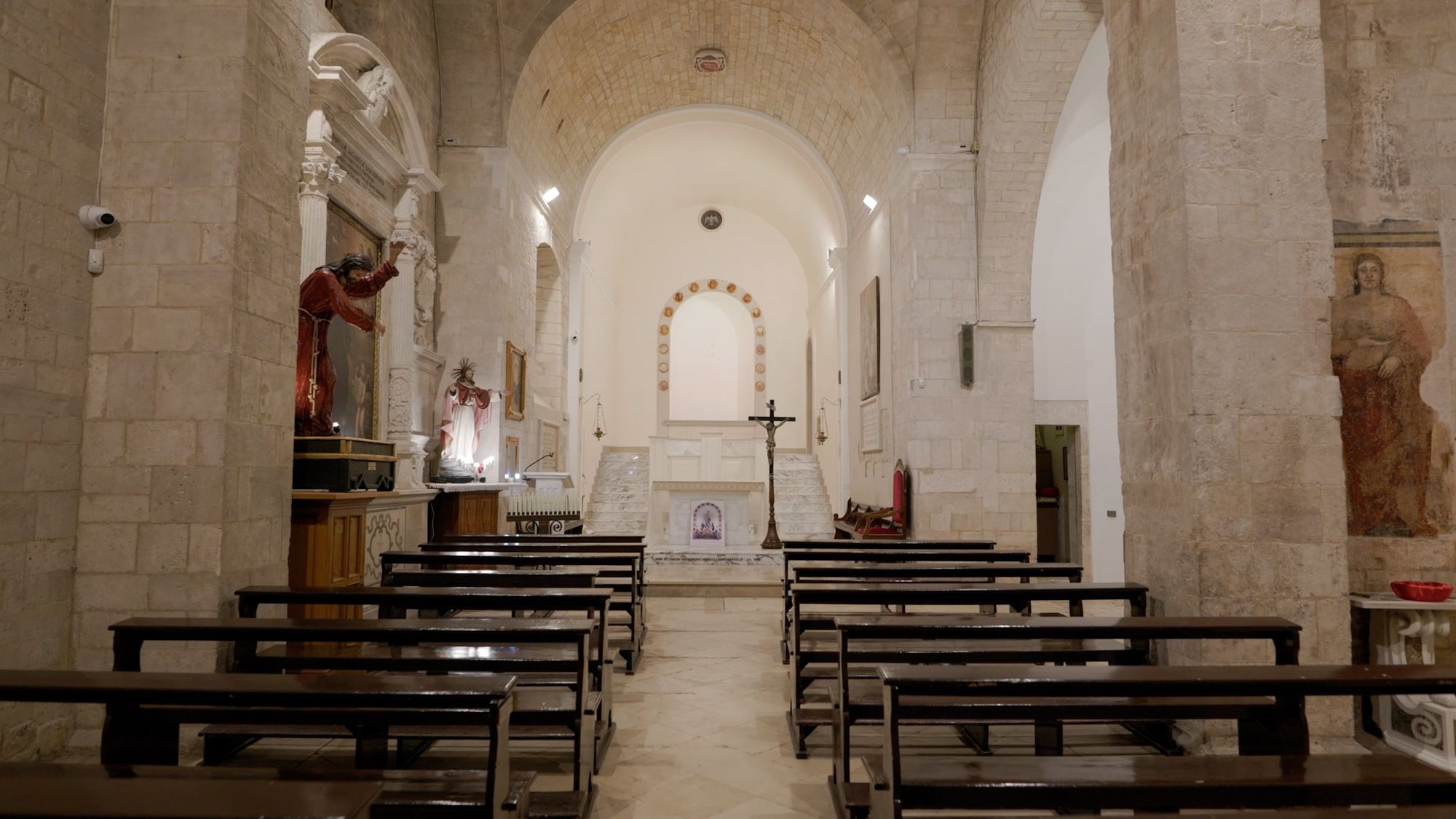
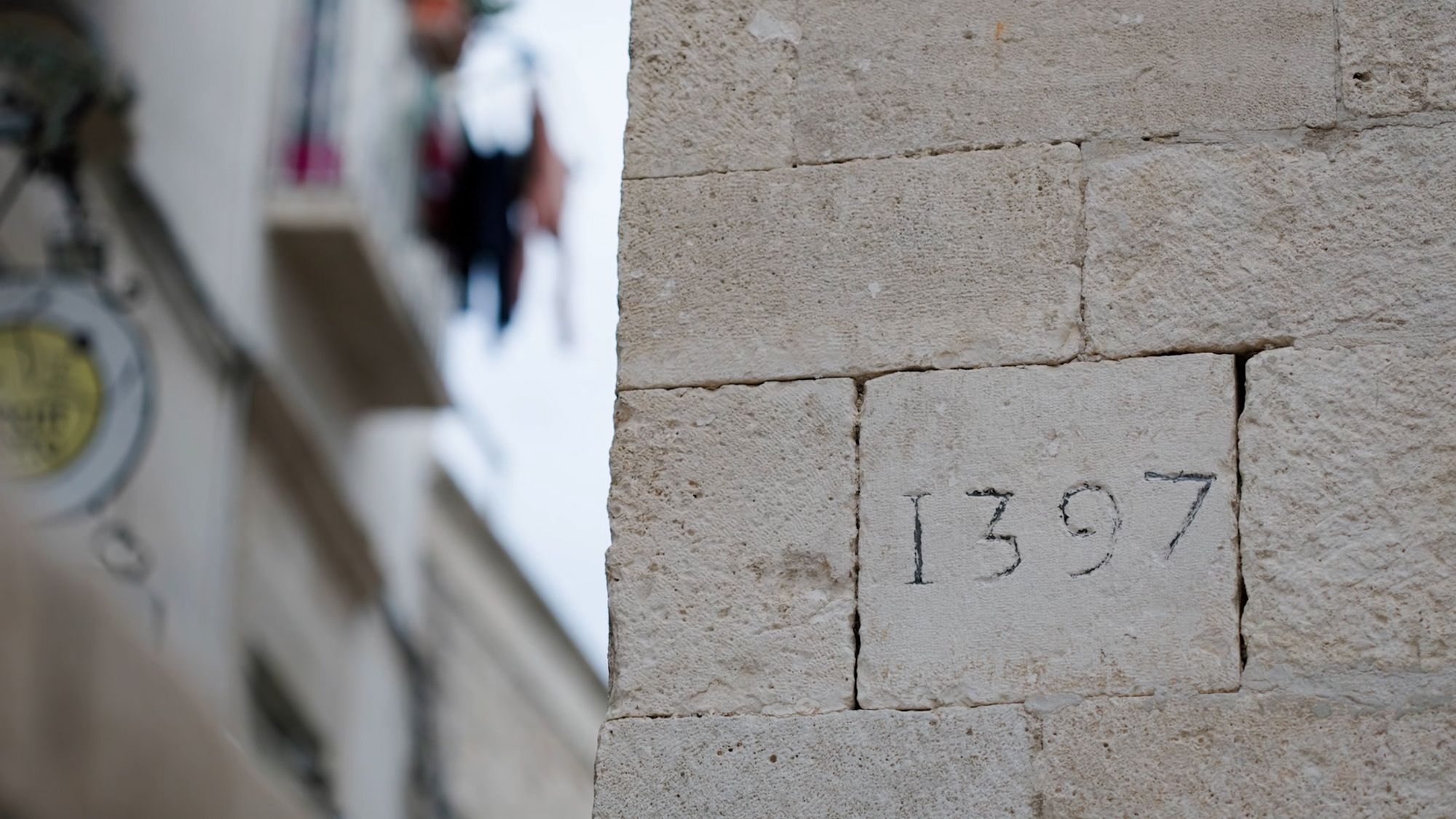
In the alleys of the old town which intertwine like the threads of a tapestry, stands this church whose history is immersed in devotion and ambition. Monsignor Pavone Griffi, Bishop of Tropea and Polignano, had decided to retire from his prestigious post as referendary of the Pope for the sovereigns of Bosnia and Ladislaus of Hungary. After years of honoured service, Pavone Griffi wished for a more peaceful life, and opted for the spiritual serenity of his beloved Giovinazzo. Here, in 1395, he decided to build a church of modest dimensions but with deep significance. He chose to dedicate it to the glory of the Holy Spirit and thanks to his long friendship with Pope Boniface IX who had previously been his Professor of Law, Griffi obtained an exceptional privilege, a “prelatura nullius”, meaning that the church’s clergy would be independent of the jurisdiction of the local bishop and directly subordinate to the Vatican. Building work proceeded quickly and the church was consacrated in 1397, as displayed on an epigraph on the church’s façade.
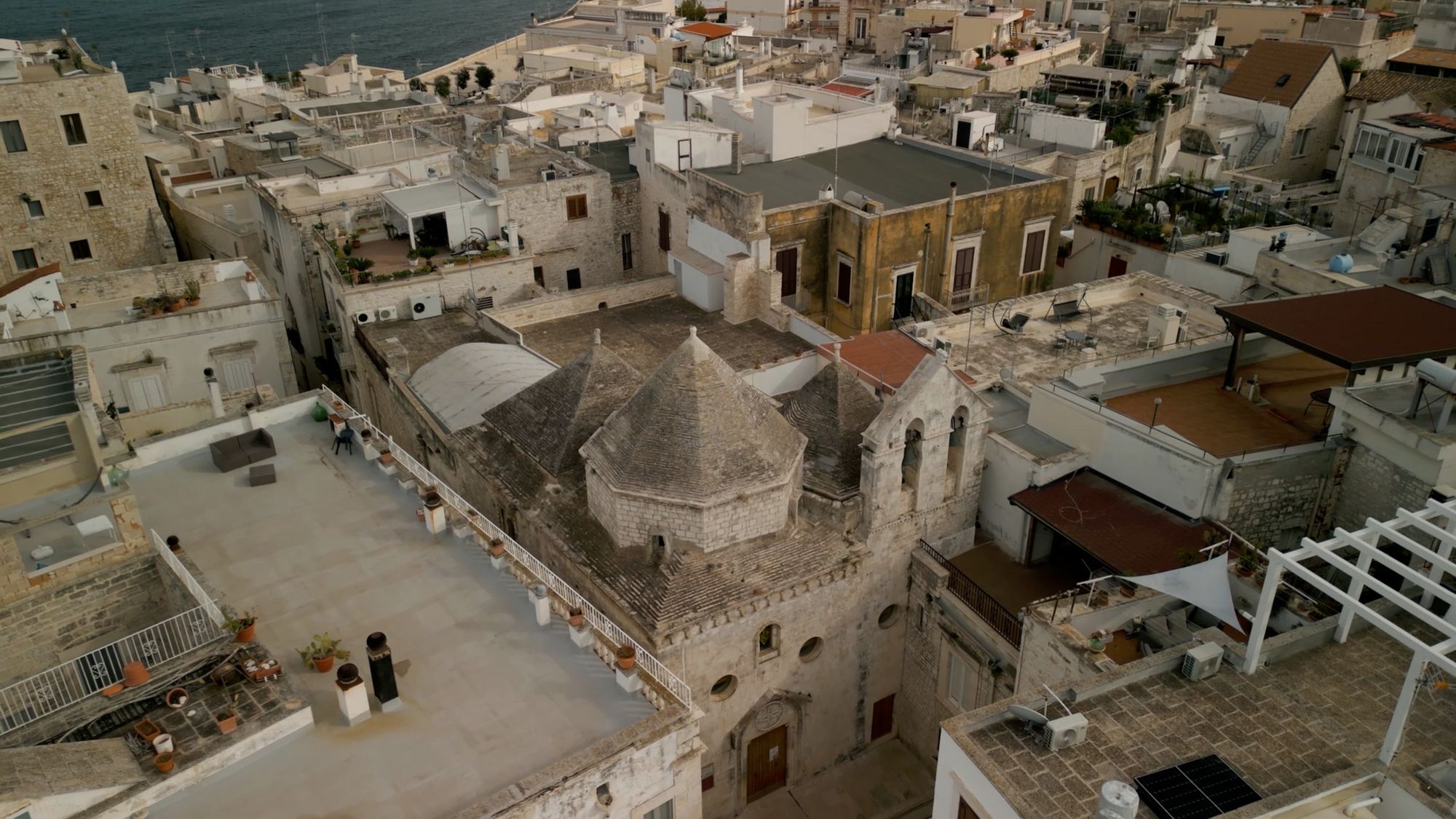
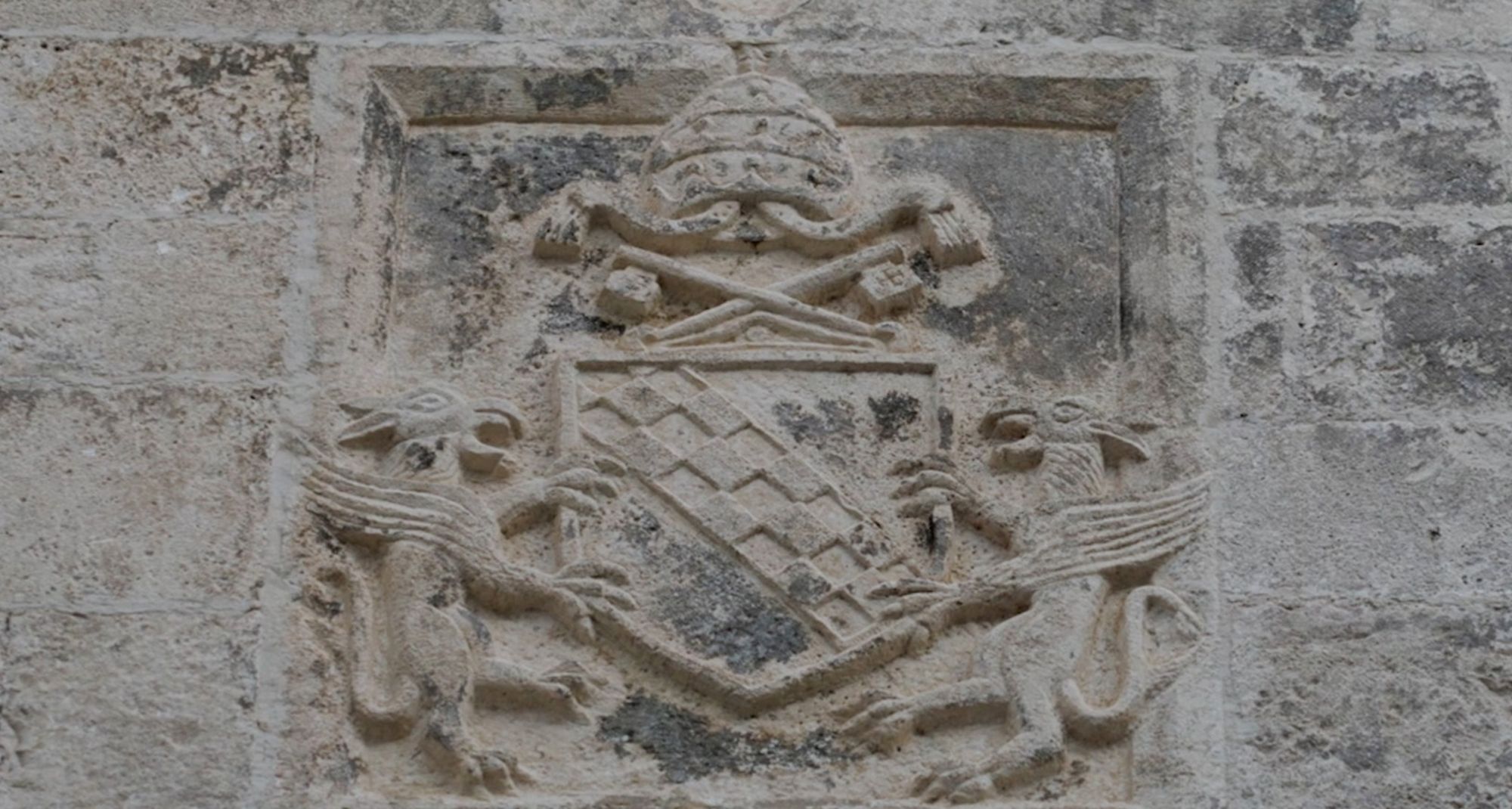
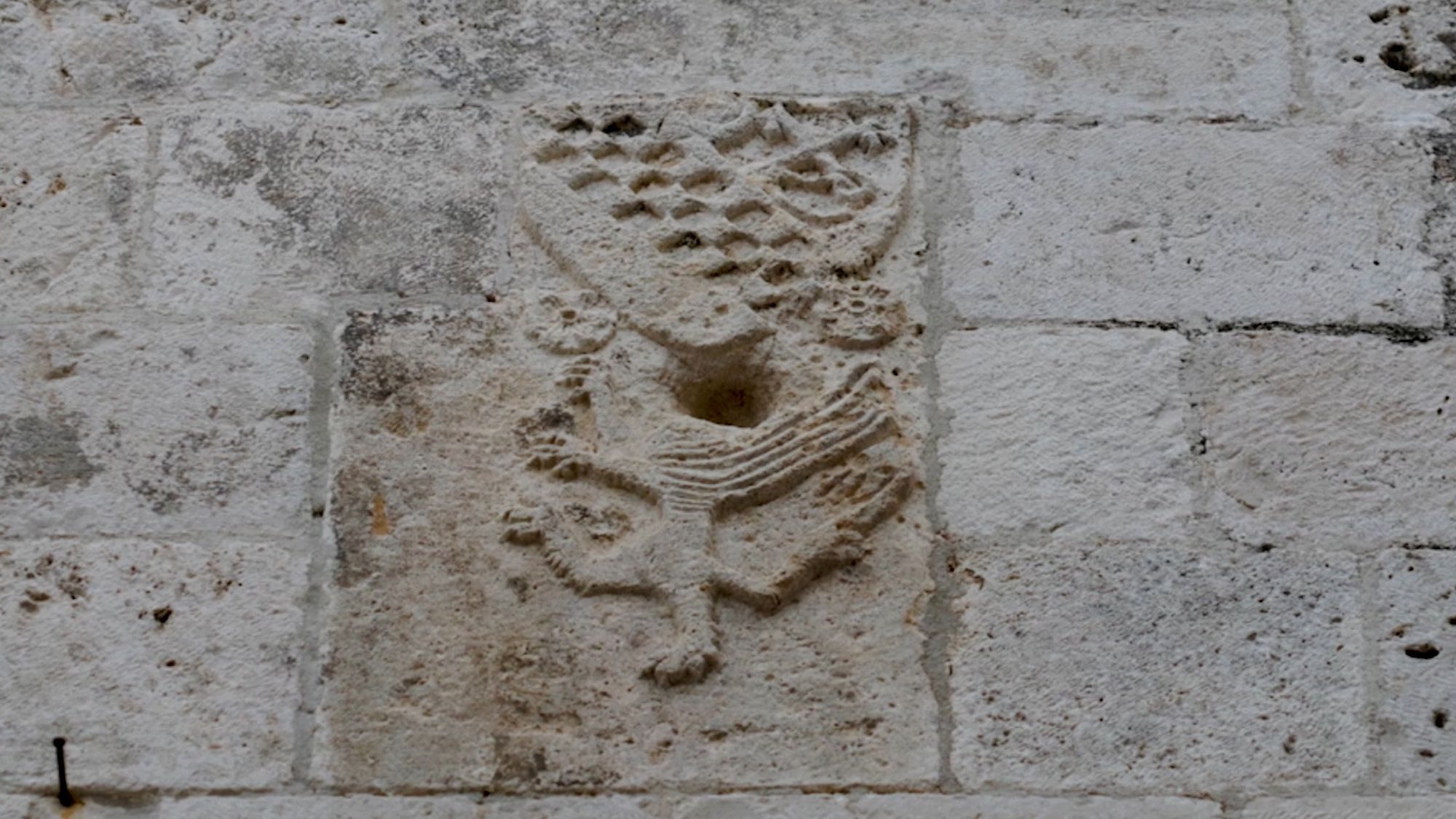
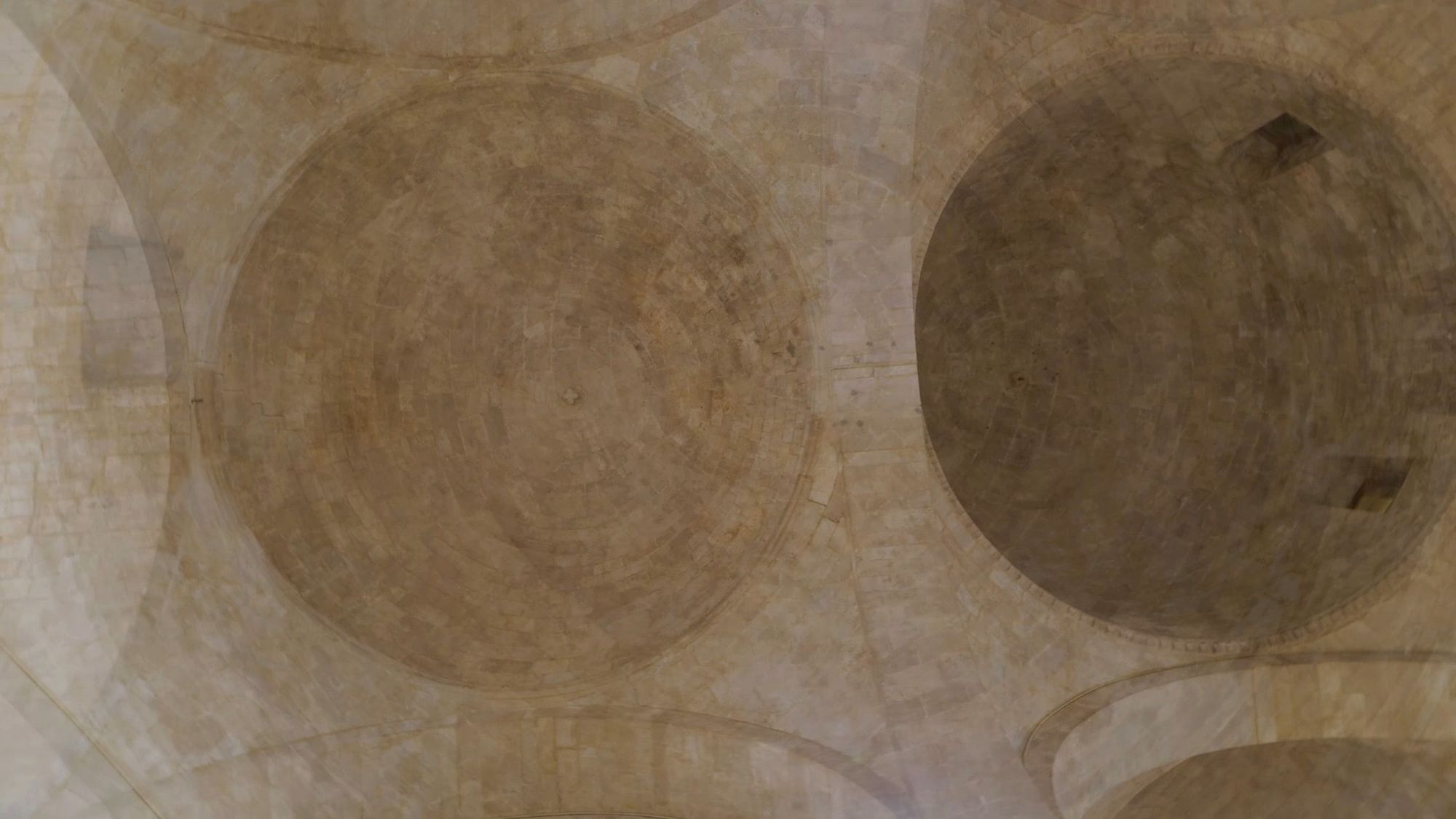
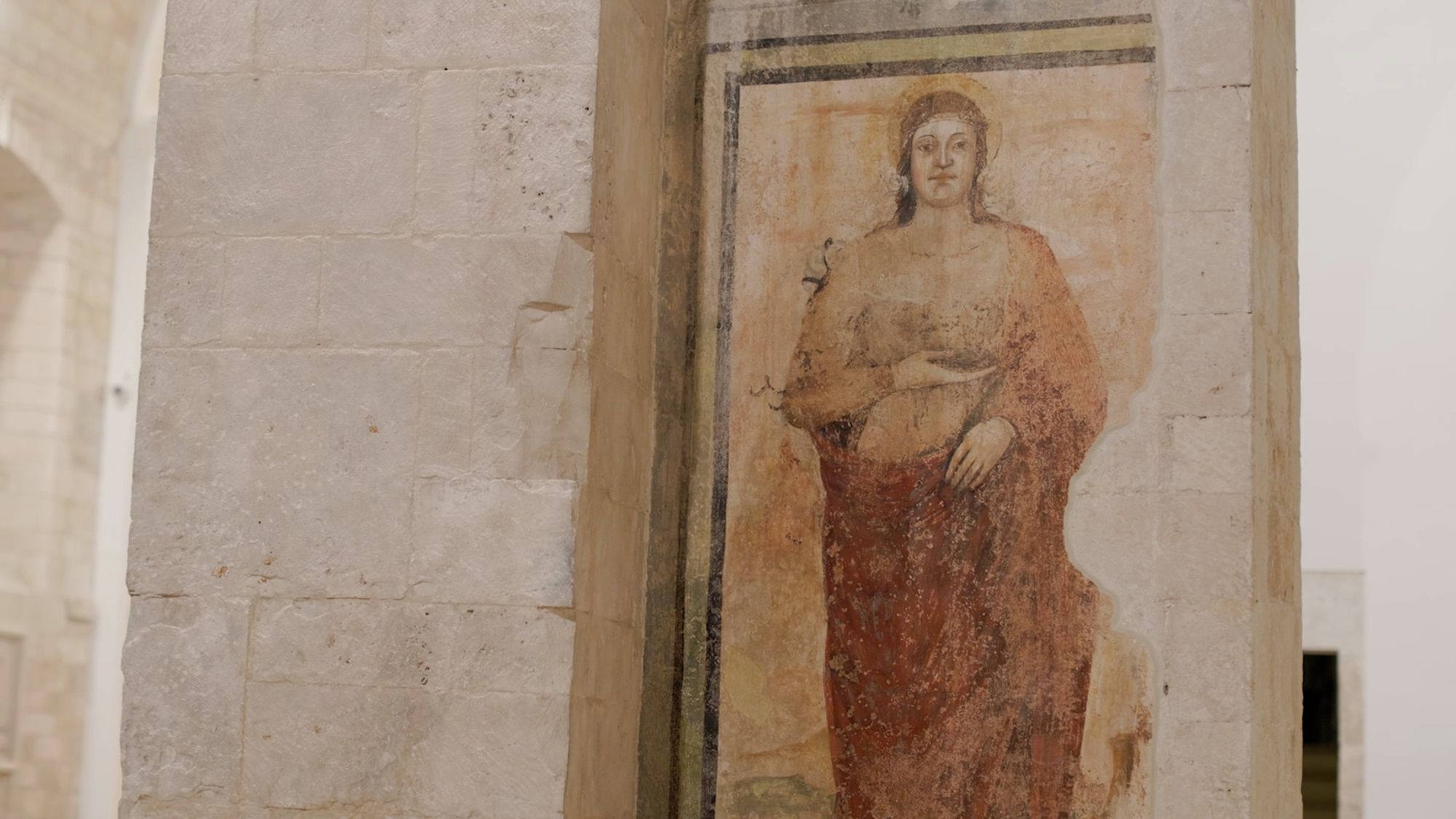
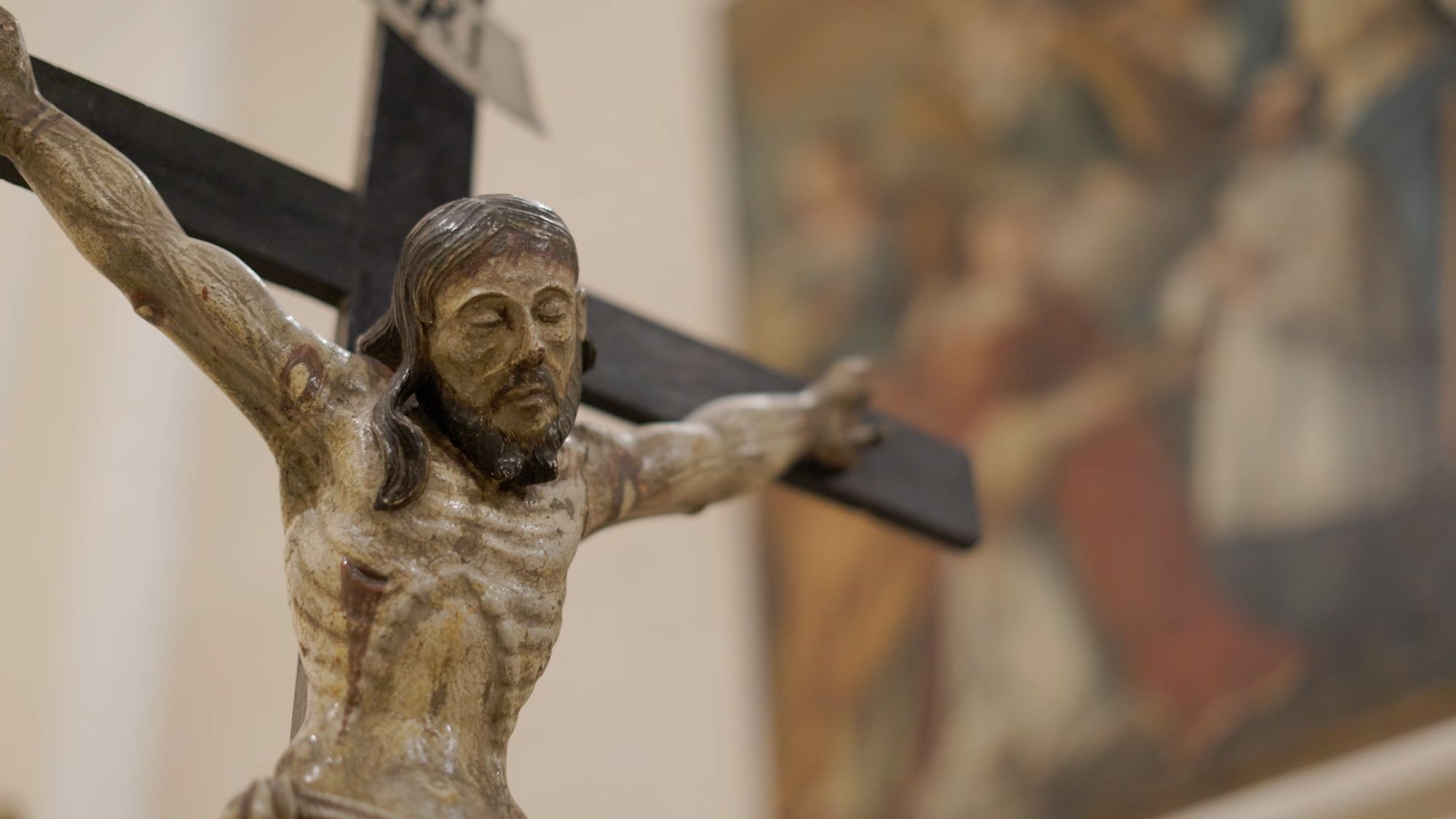
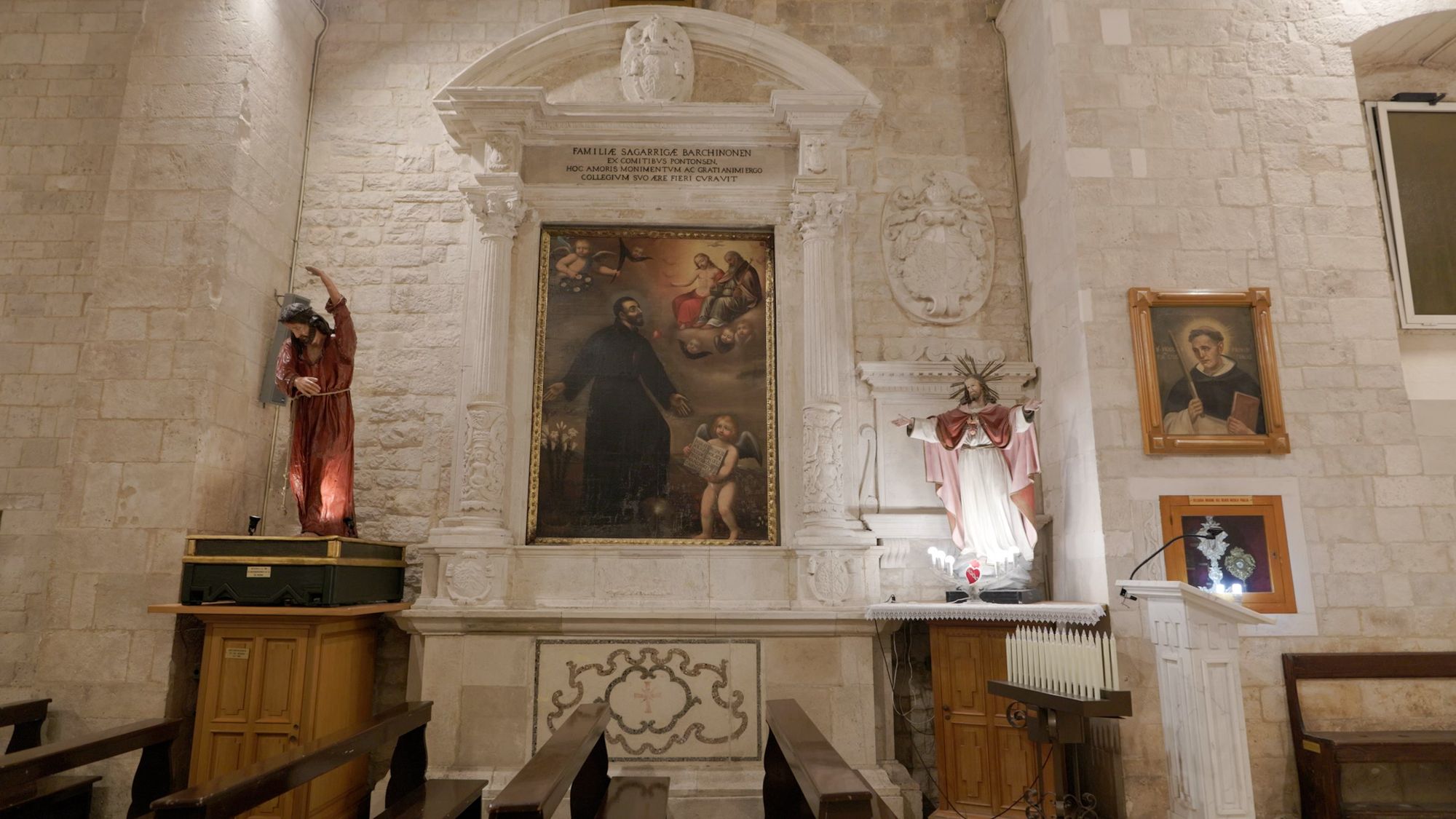
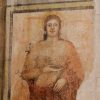
The building displayed the crests of Pope Boniface IX and Pavone Griffi and stood out for its original architecture. The domed roofs corresponded externally to pyramidal and octagonal spaces, were built in chiancarelle. This architectural choice was reminiscent of the trulli of Alberobello and the pagliai in Puglia and it was said that the proficient stonemason, Master Giobbe wished to express the idea of the Holy Trinity. The points of the domes symbolised the Christian faith, making the entire building an emblem of holiness and devotion. The church is home to treasures of immense value, among which a fifteenth century fresco of St. Lucy, a sixteenth century painting of the Madonna of Constantinople known as “Perpetual Help” and a precious fourteenth century wooden crucifix, all demostrating the artistic and spiritual wealth of the past.
The church of the Holy Spirit is not just a place of worship but a symbol of how faith and tradition can intertwine to give way to architectural and spiritual wonders. The story of Monsignor Pavone Griffi and his church is a tale of passion and faith, of an era in which the construction of a church was a true act of deep faith.