Palazzo Framarino dei Malatesta
(14th-19th centuries)
The name of this palace recalls an era of glory and splendour for nobles and aristocrats. These majestic walls were testament to the power of one of the most influential and feared families of the Middle Ages: the Malatesta family.
One of the most renowned members of this dynasty was Giacomo Malatesta, a young and charismatic knight whose fame even reached the shores of Giovinazzo. He was known not only for his military capabilities but also for his noble spirit and thirst for adventure. During a journey to the south of Italy, Giacomo met Geminella Spinelli, daughter of the Grand Chancellor of the Kingdom. Fascinated by her grace and beauty, Giacomo asked for her hand in marriage, well aware that this union would not only join two young lovers but would consolidate a powerful alliance between Rimini and Giovinazzo.
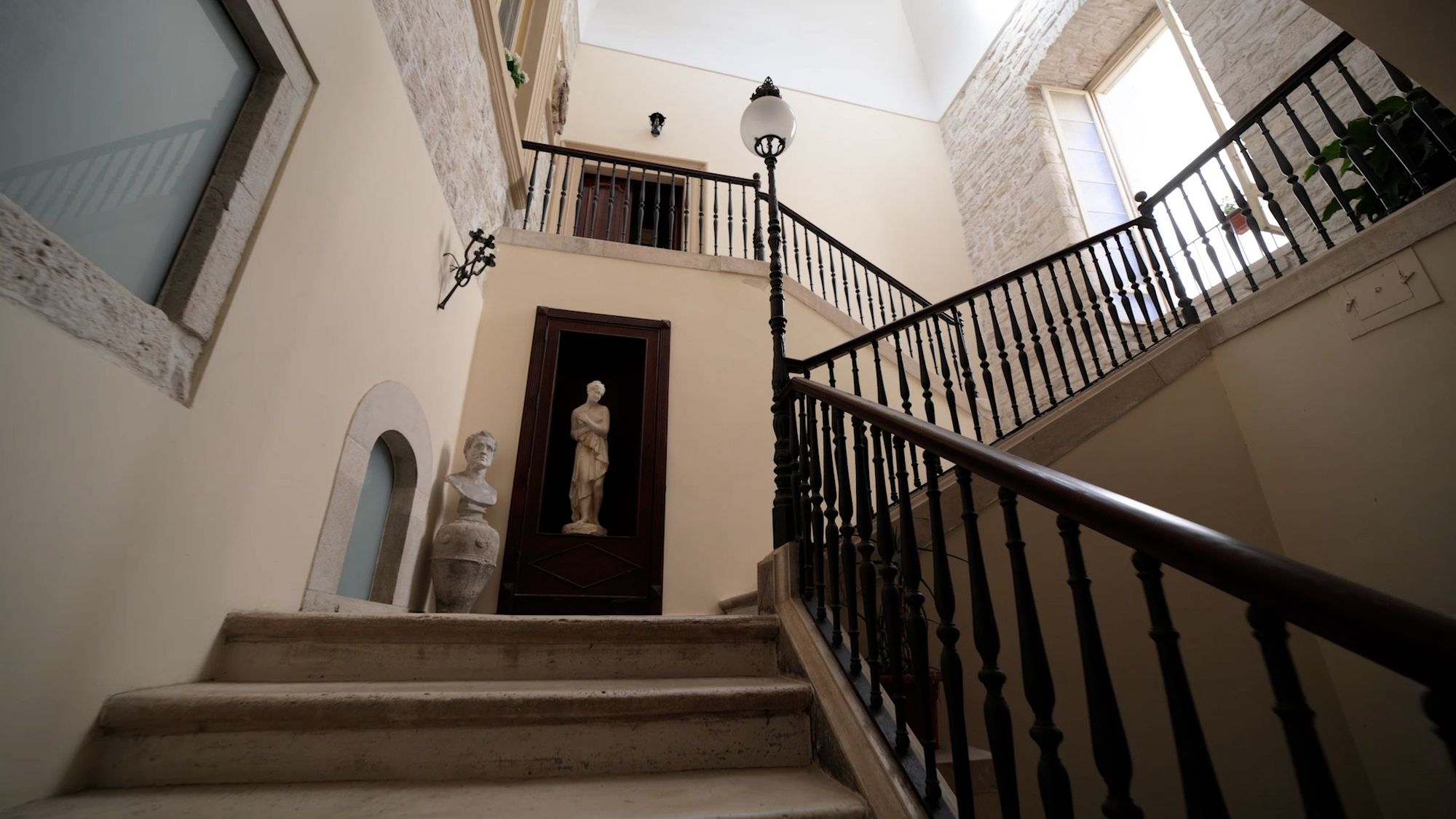
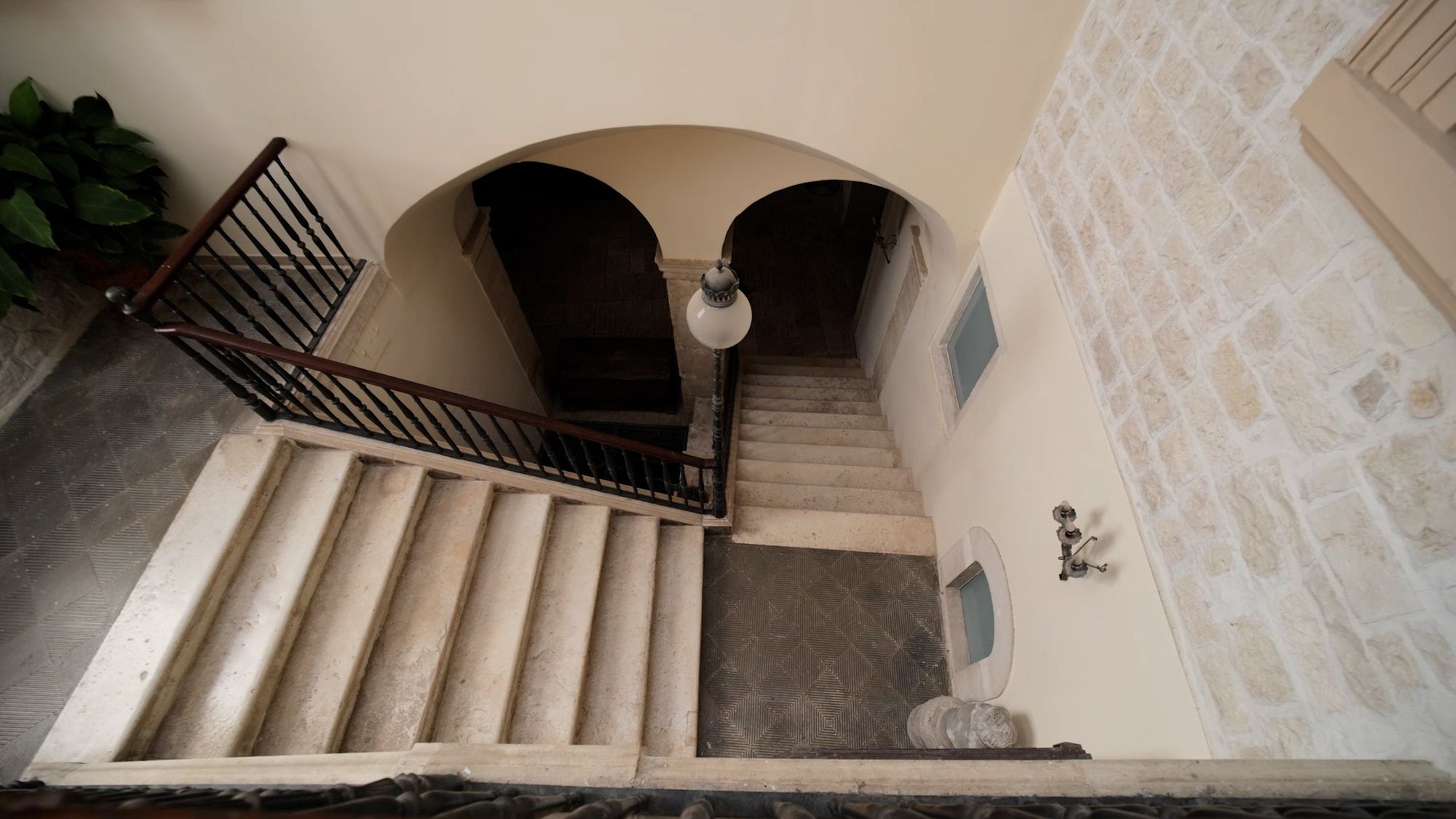
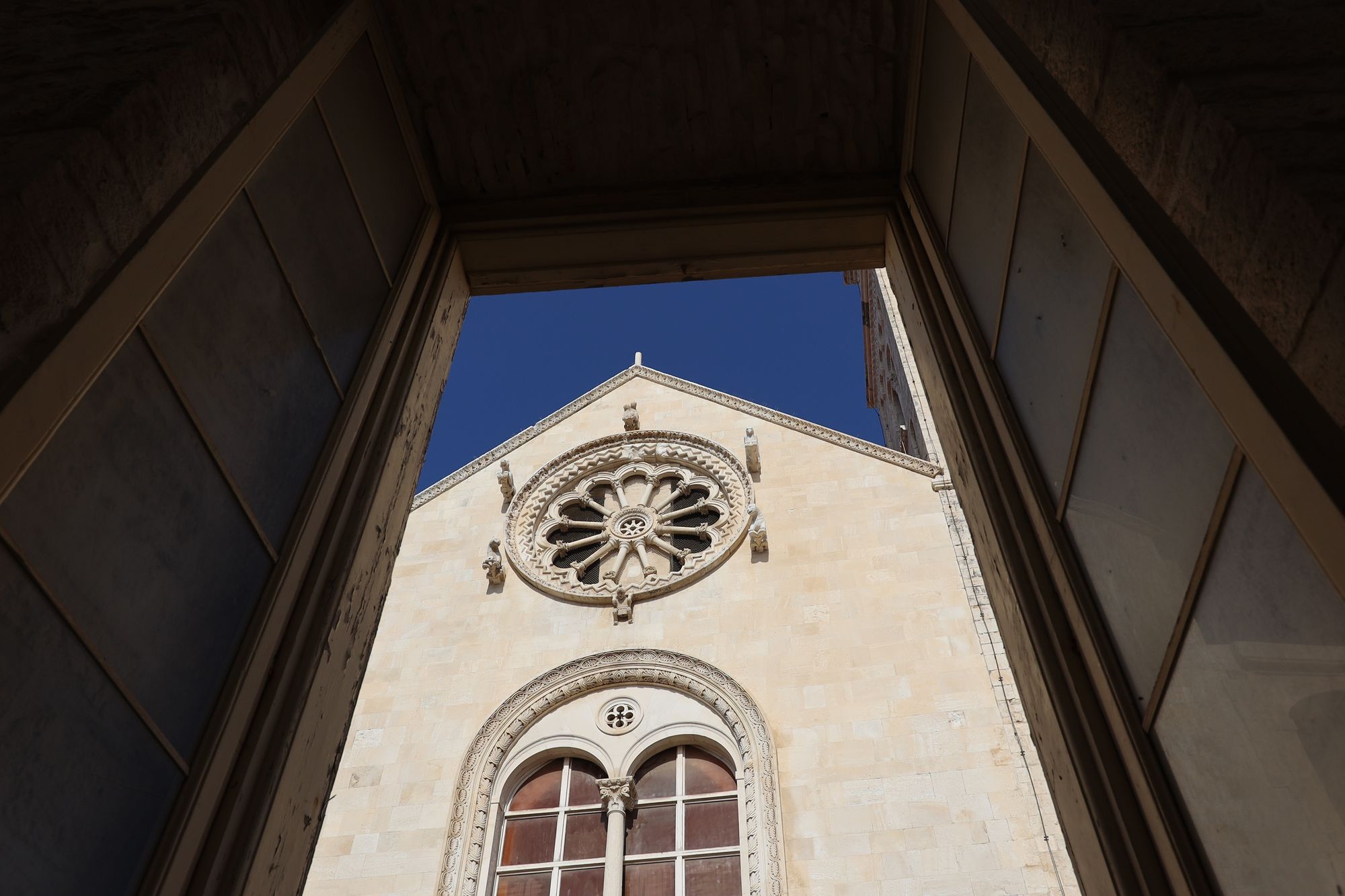
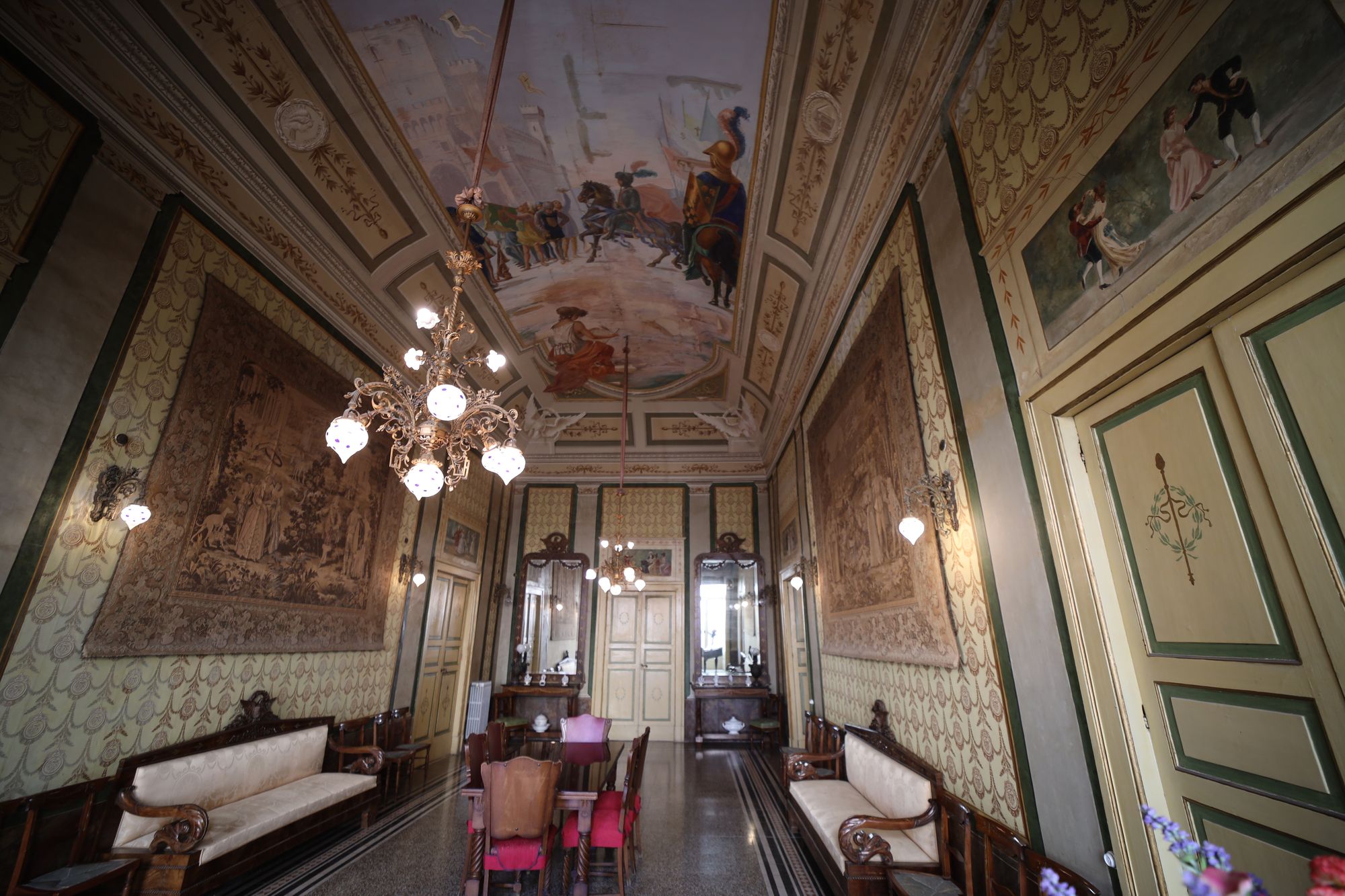
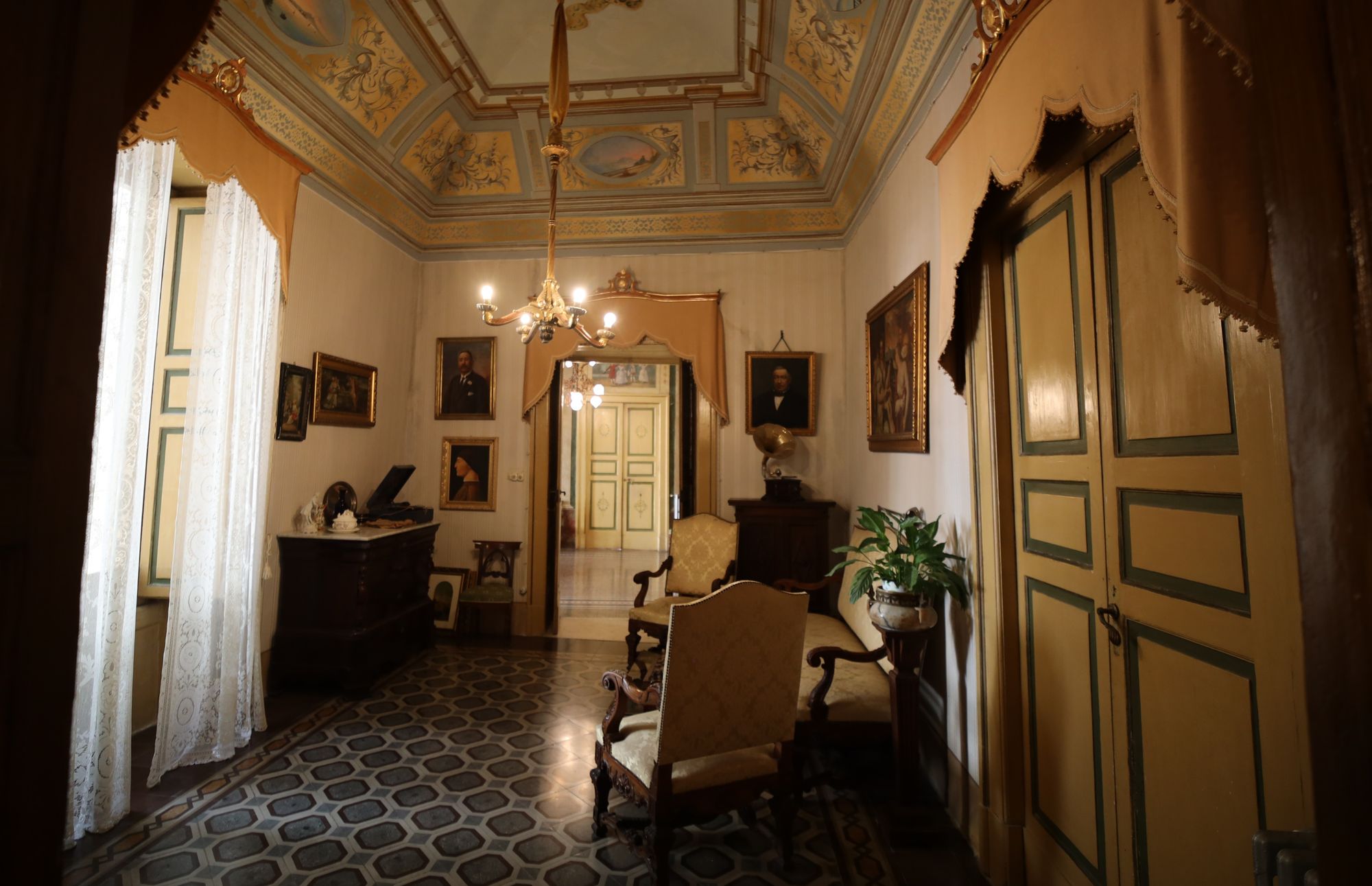
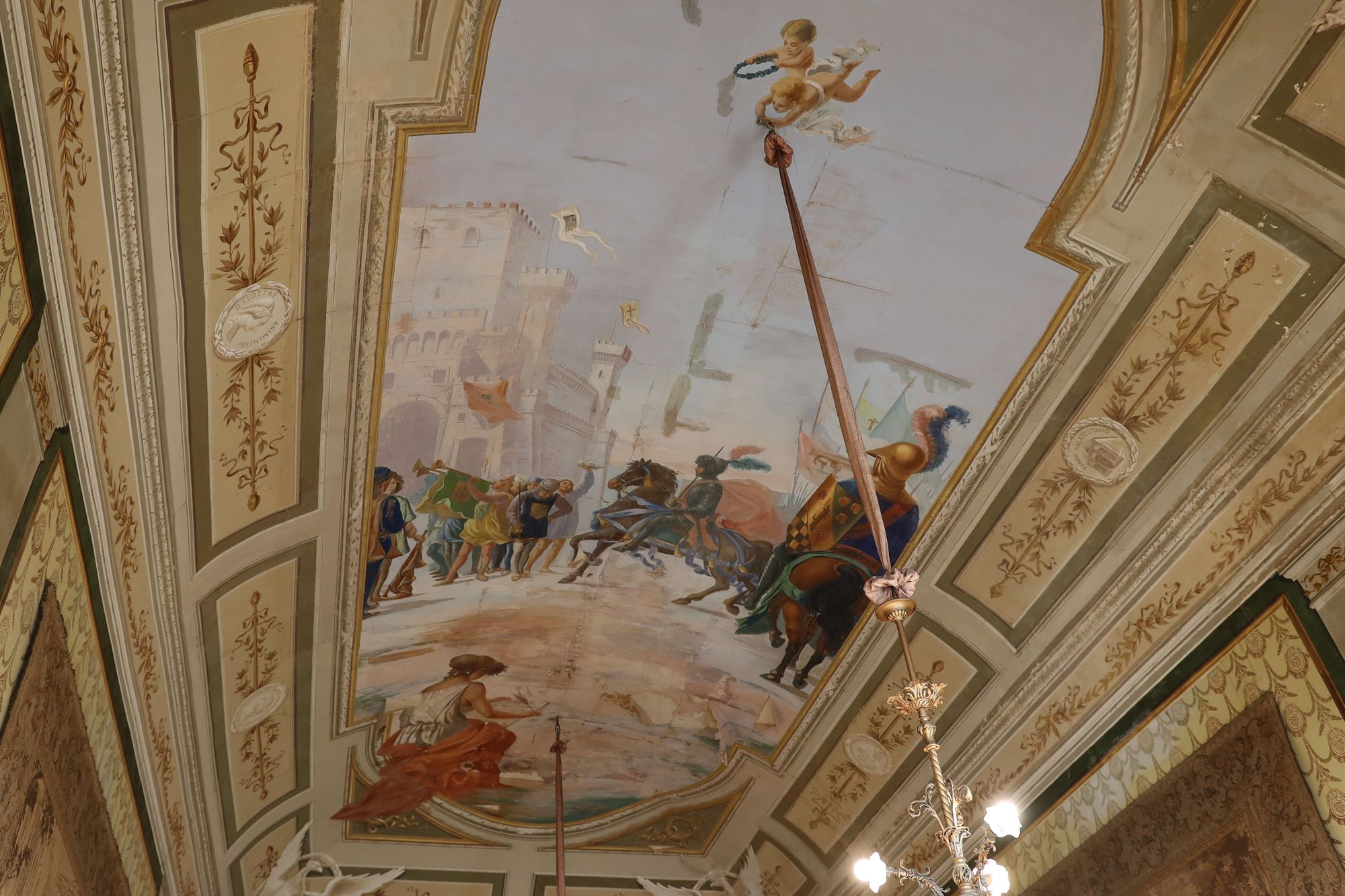
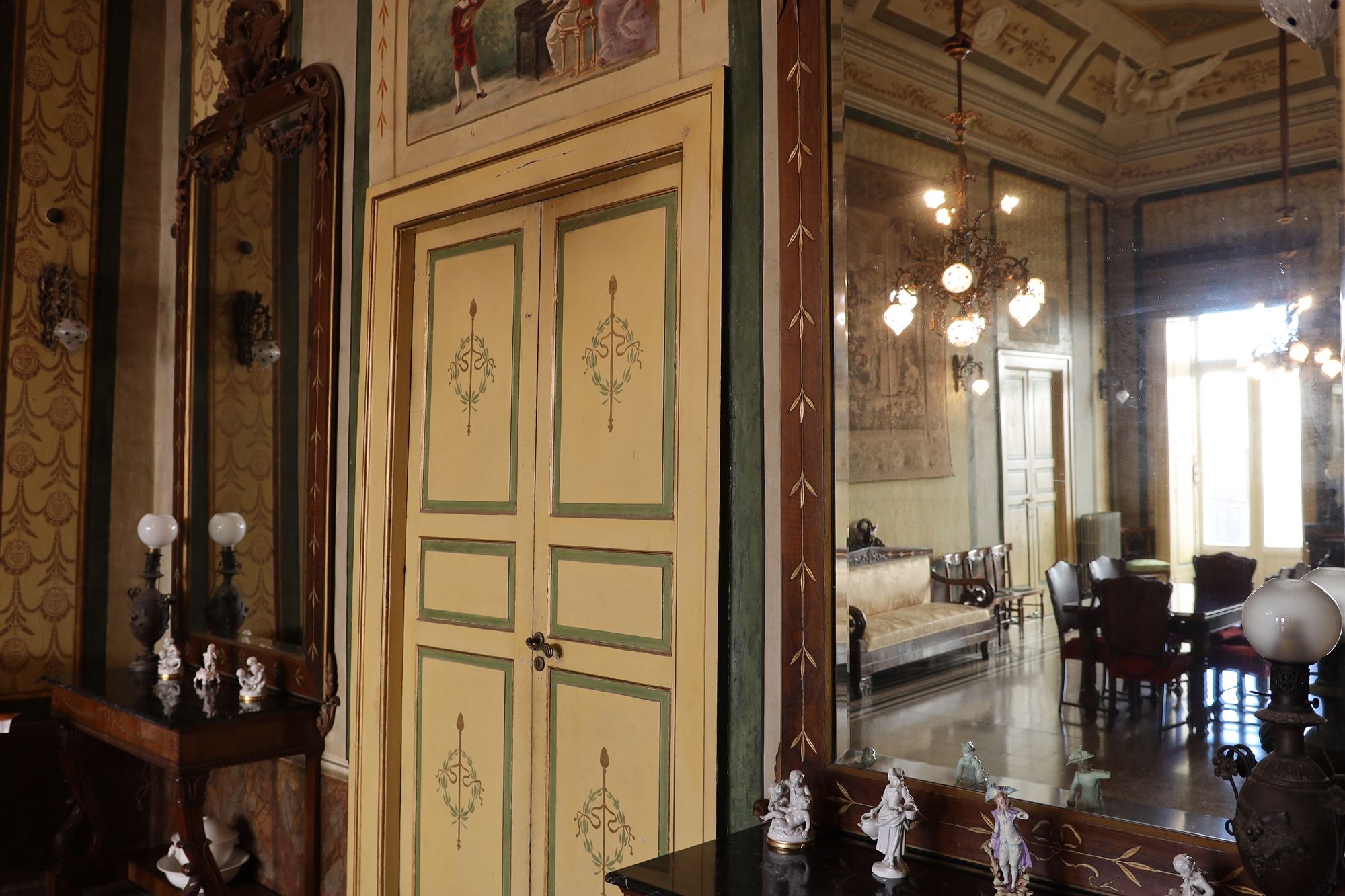
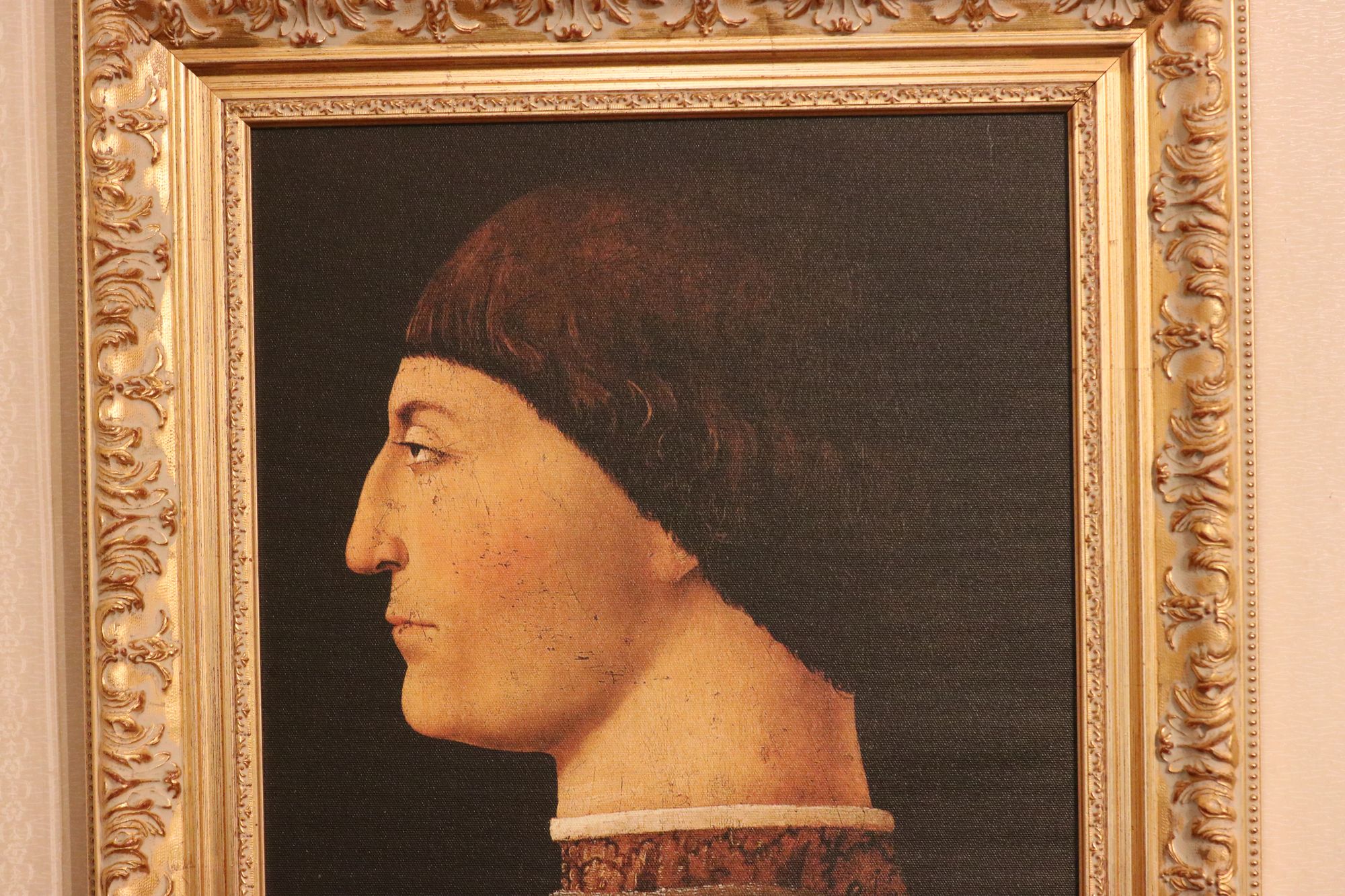
The Framarino dei Malatesta palace underwent various changes over the centuries but remains the only building in the historical centre of Giovinazzo to have four free walls, thus revealing itself in all its monumental beauty. On entering the building the visitor goes back in time: the entrance hall with its wide arches introduces a world of lost elegance where the last of a series of twelve carriages stands, reminder of an era of great pomp. The Empire style salon has cloister vaults and a painted ceiling and its original furnishings are still preserved: divans, large console tables and mirrors, coloured glass lamps, tapestries and a painted family tree. Each room tells a fragment of the story of the Malatesta family and one can admire suits of armour, ancient weapons, portraits of family members from colonels to governors, literati to historians. Many are the references to the great fifteenth century military leader Sigismondo Pandolfo Malatesta, Lord of Rimini and Fano, and his wife, Isotta degli Atti.
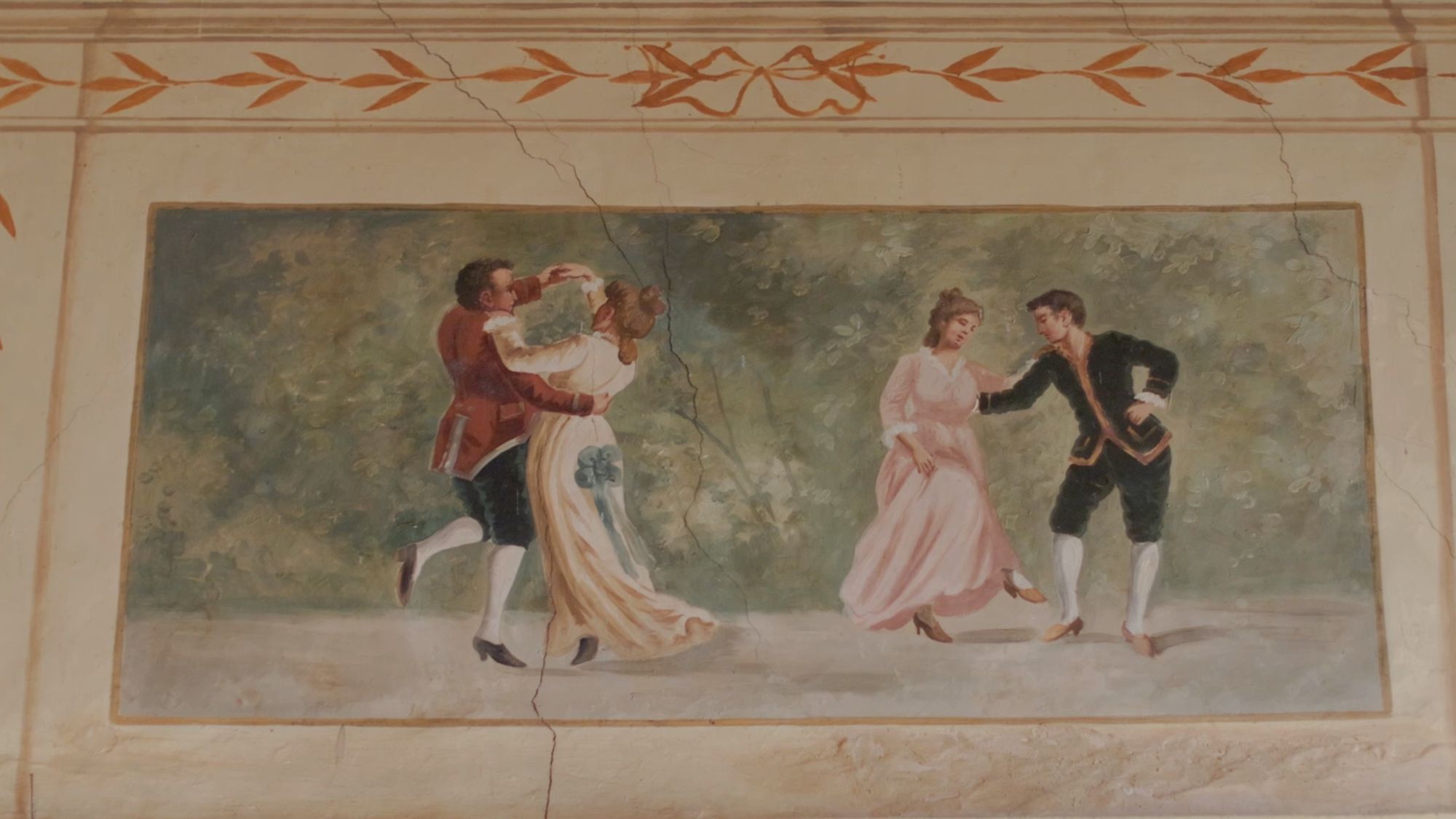
In the ballroom on the main floor it is easy to imagine eighteenth century music being played for dancers dressed in a multitude of colours. On the walls are tapestries depicting scenes of rural life, lit up by the sumptuous golden wood and crystal lamp. Underneath the palace is an old olive press which produced oil from the olives harvested on the family’s vast estates. In 1437 the family obtained a perpetual concession from Alfonso of Aragon allowing them to export their oil tax free outside the Kingdom, a clear sign of their wealth and influence.
To visit the Palazzo Framarino dei Malatesta is to travel back in time, the visitor becomes both a spectator and a guest of the aristocracy, every corner and every detail telling a story of past glory and beauty.