During the tumultuous medieval period, the Catholic Church faced significant challenges. The Papal authority was put to the test, not just by the powerful emperiors of the Holy Roman Empire, but also by sects and heretical movements which threatened the dogmas of catholic faith. In the 12th century, in this context of profound spiritual crisis, new religious orders were founded on the ideals of preaching and evangelism, among which the Dominicans, known for their great culture and unerring faith in the word of God.
One of the first followers of St. Dominic was an illustrious and promising young man named Nicola Paglia from Giovinazzo. Nicola was born in 1197 in the home of the noble Paglia family in Via Gelso, opposite Palazzo Saraceno, and was the companion of St. Dominic, playing a vital role in establishing numerous churches and monasteries.
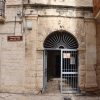
Son of the the judge Lupone, Nicola studied law in Bologna where he met St. Dominic. The charismatic and fervent founder of the Dominican order made a profound impression on Nicola and he fully embraced his cause. Nicola was the descendent of the Lupis family on his father’s side and the Paglia family on his mother’s side and this legacy forged his character from a tender age. His mother’s family home, where he was born, was sober and austere, a simple doorway set beneath the family crest, inspiring in him the beauty of peace and rigour.
Over the following centuries, the Paglia family sought to elevate their status by exploiting the name of the Blessed Nicola to enhance their prestige and dynasty but this unleashed great rivalry with the Lupis family with acts of ambition and retaliation marking the future affairs of the two families.