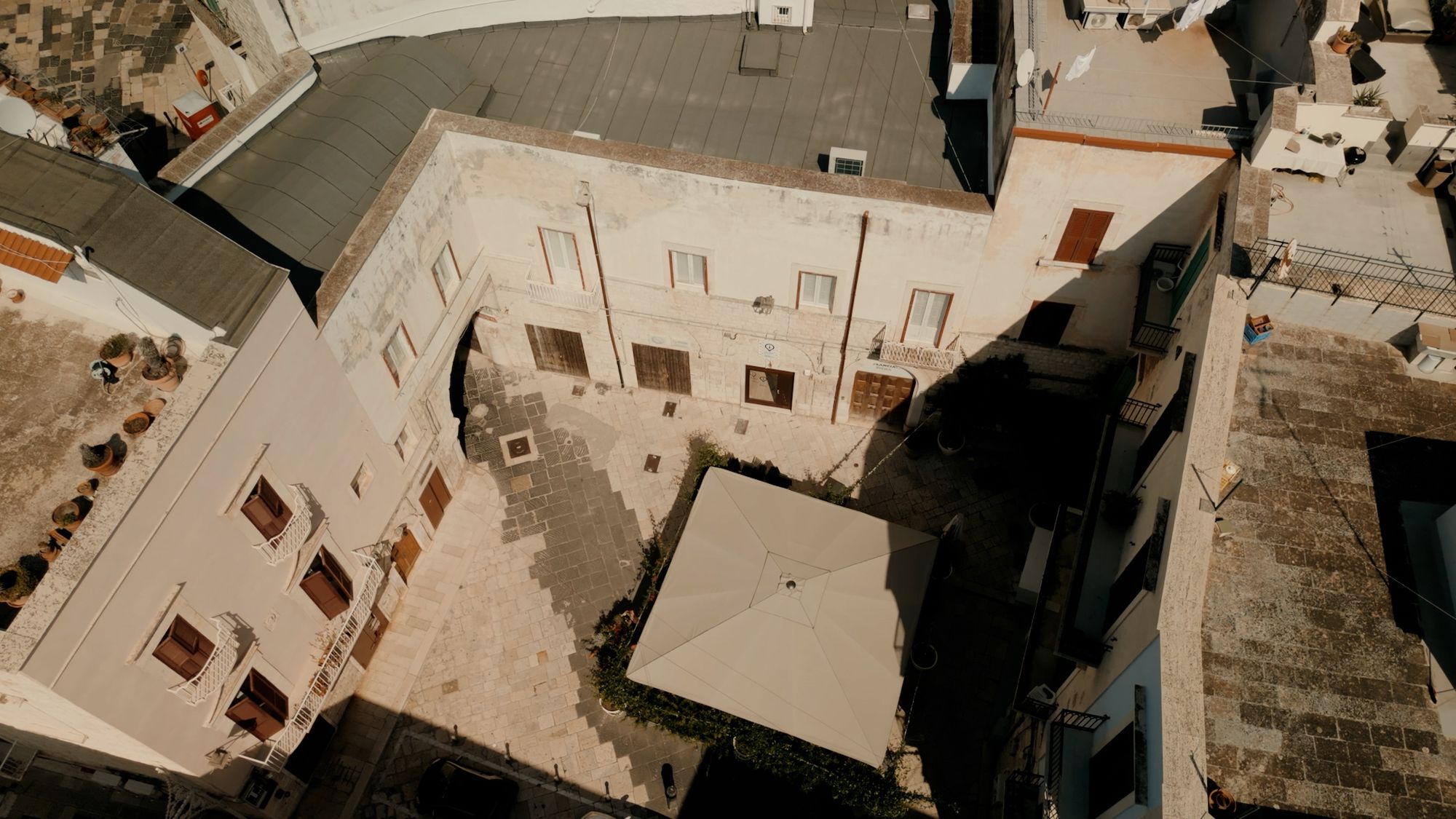
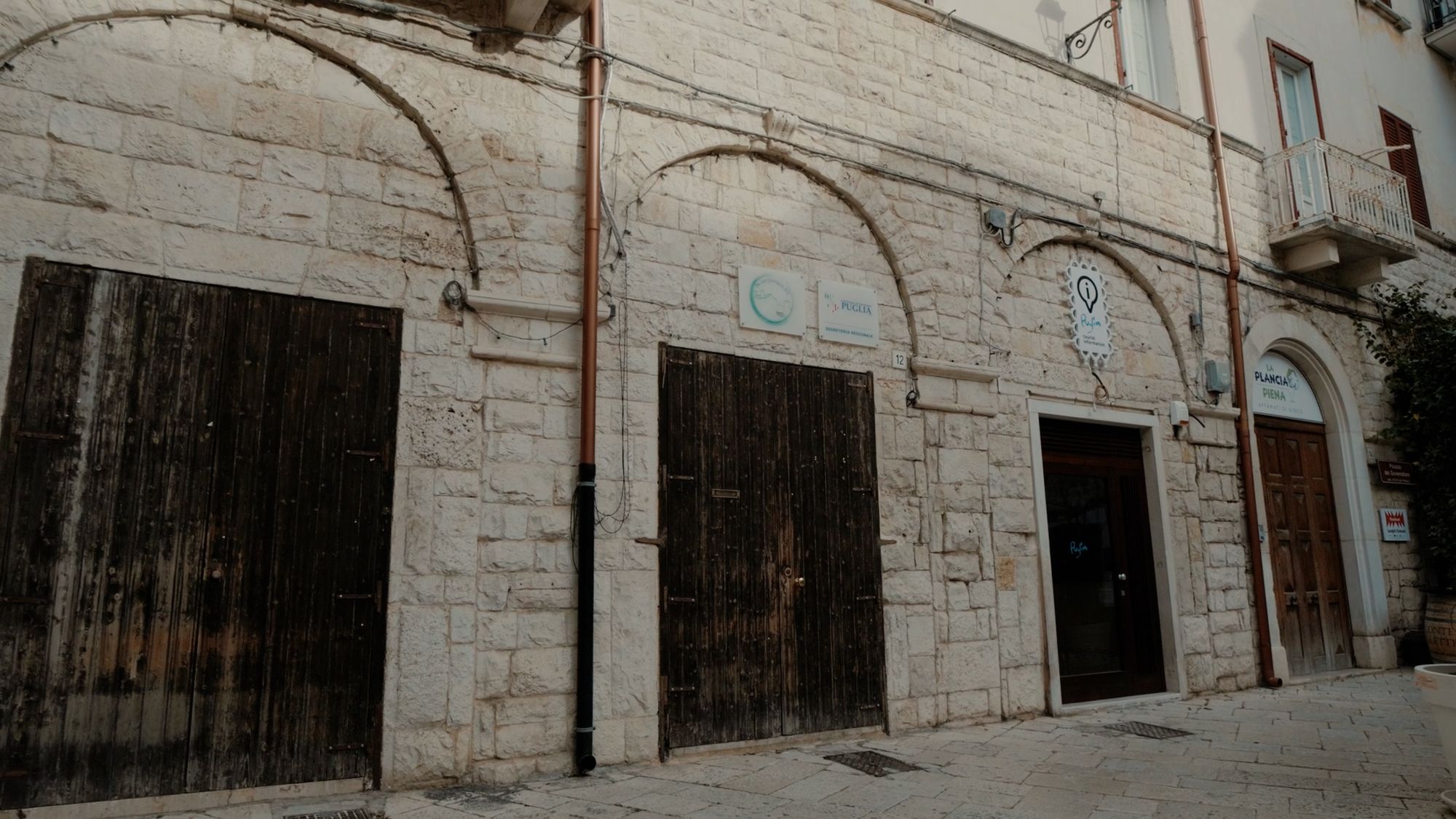
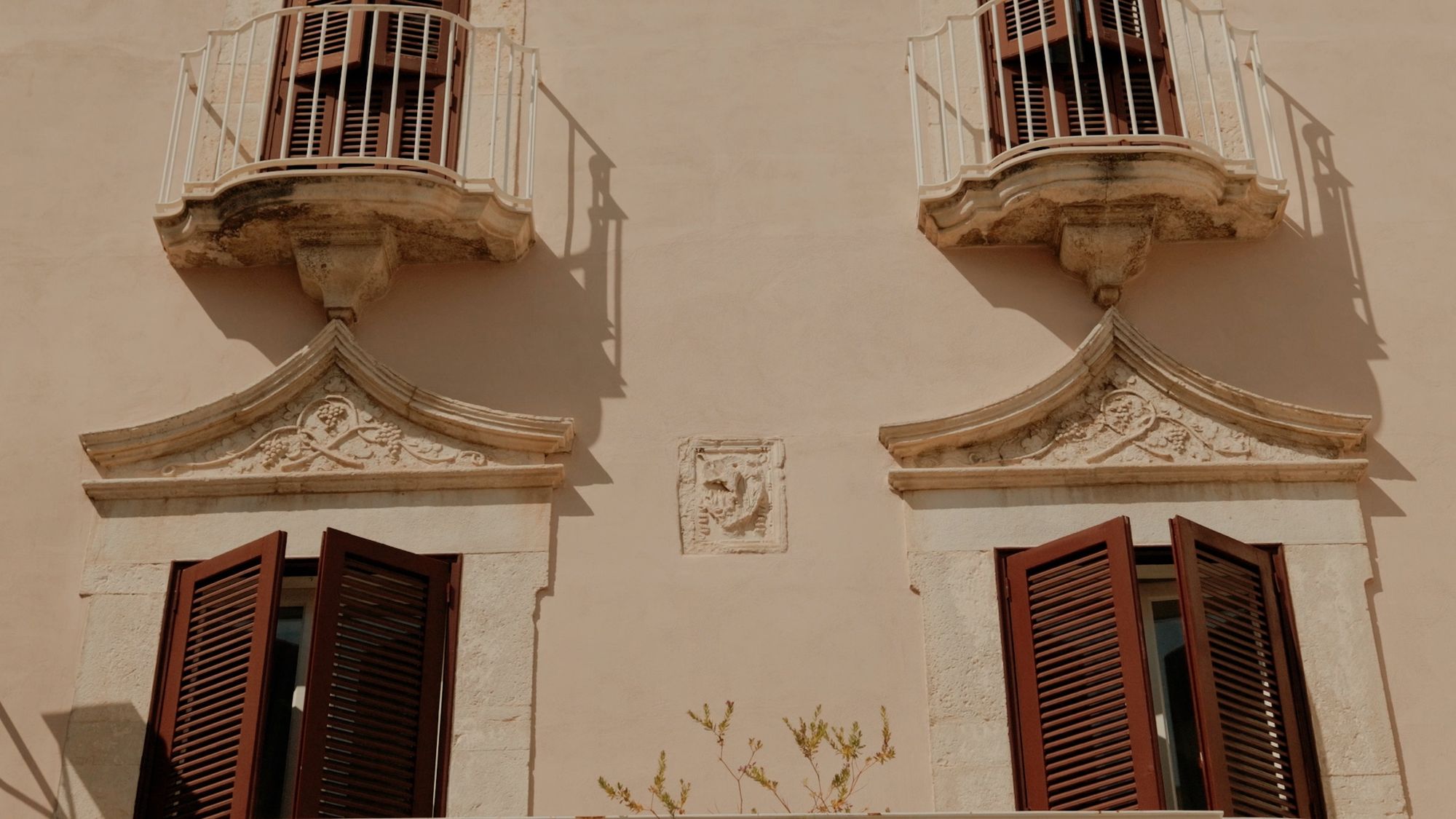
On 22nd July 1416, exasperated by oppression and tyranny, the people of Giovinazzo rebelled against the mercenary leader Manfredo da Barbiano, Count of Conversano, who had been given the estate of Giovinazzo by the powerful d’Angiò-Durazzo family. During the uprising, the fortress, symbol of his dominion, was attacked, set on fire and partially destroyed. In the following years, the Gonzaga family ordered the construction of the Palazzo del Governatore (the Governor’s Palace) on the site previously occupied by the castle walls. This building, known also as Palazzo del Capitano del Popolo (Palace of the Captain of the People), was the symbol of a new era for the community. It had a majestic colonnade of five arches, which were bricked up in the last century and turned into commercial enterprises, but still visible as a reminder of past centuries. The imposing building gave its name to the square which took shape around it, without any architectural model.
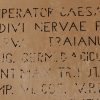
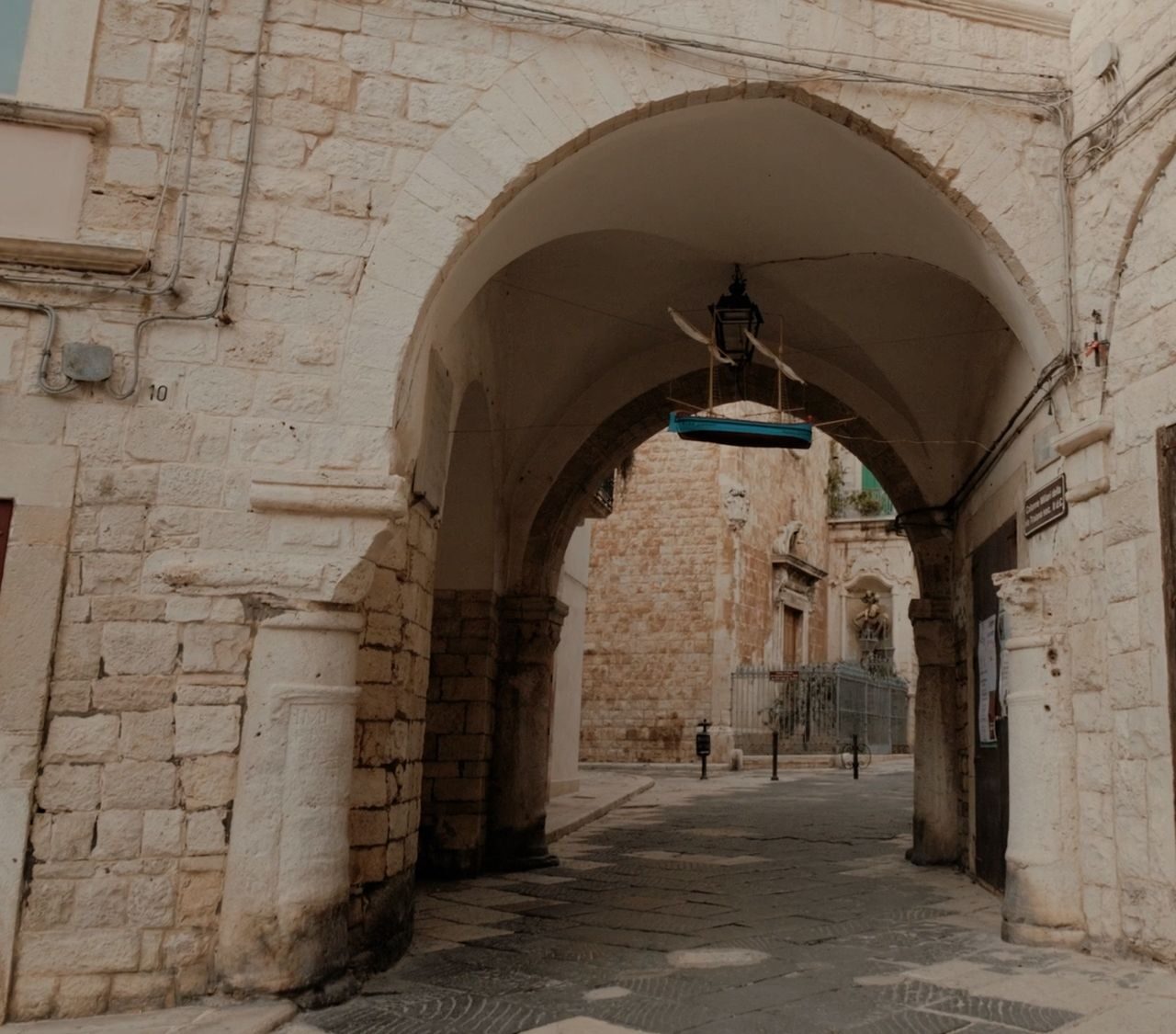
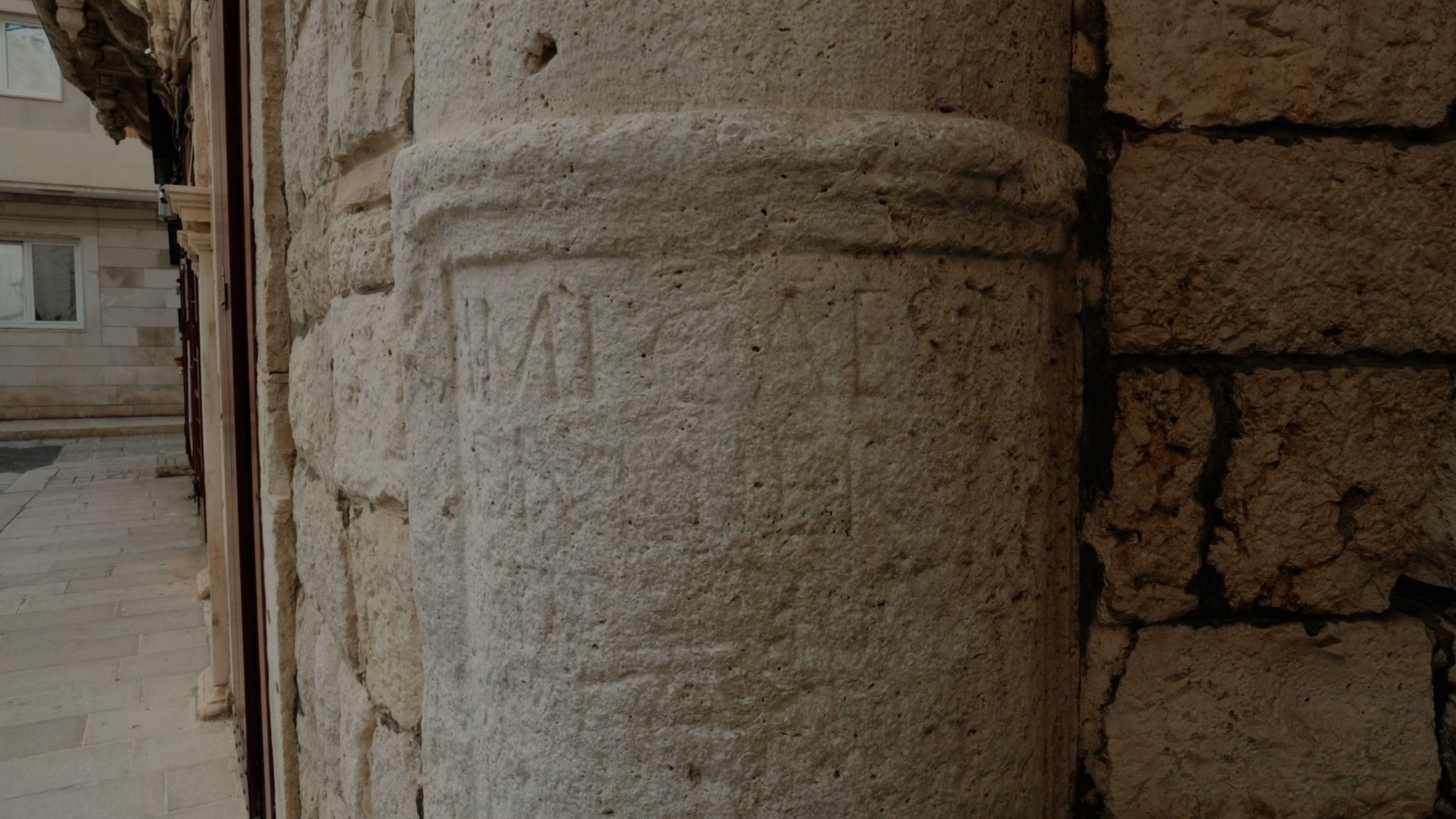
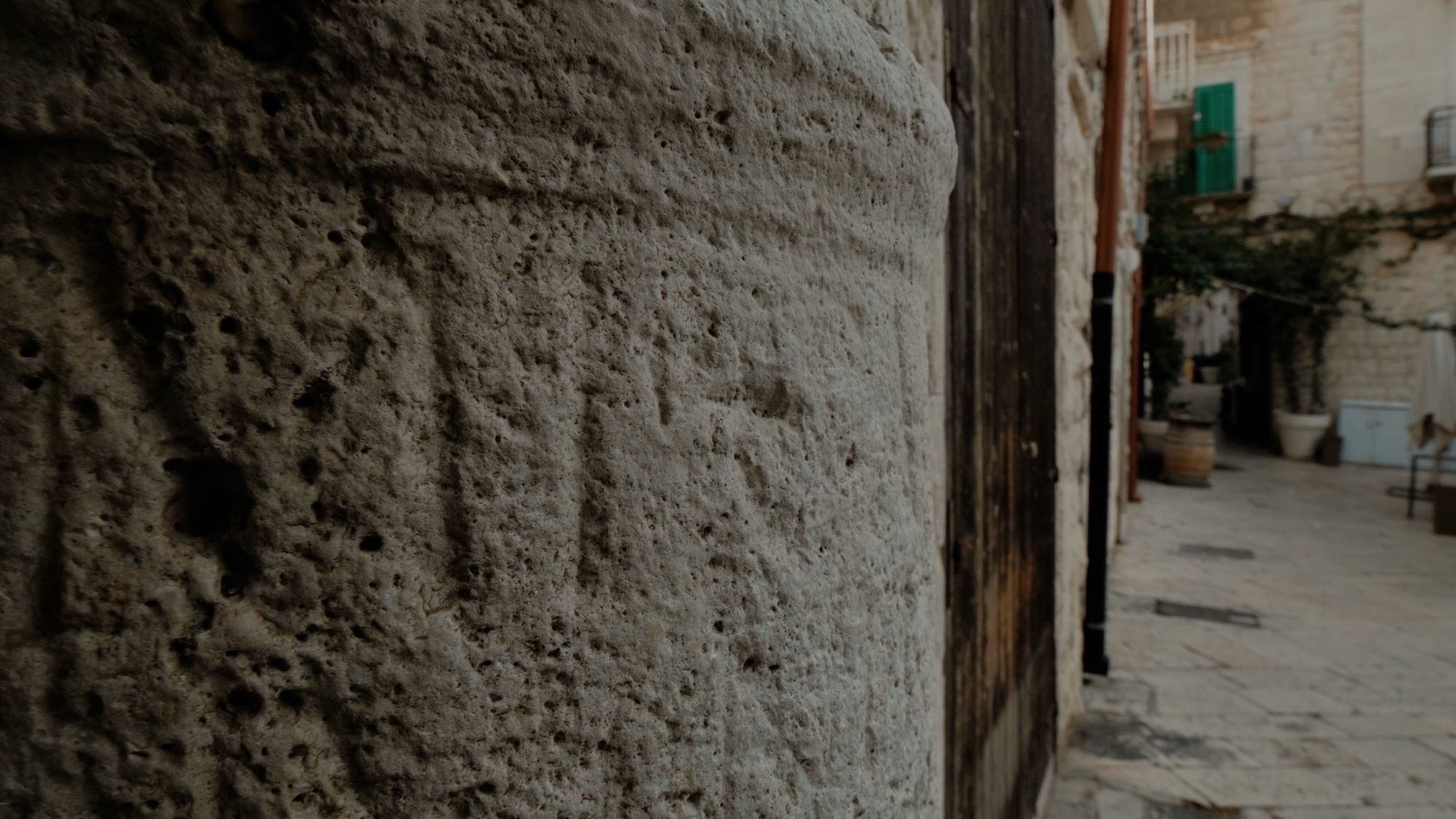
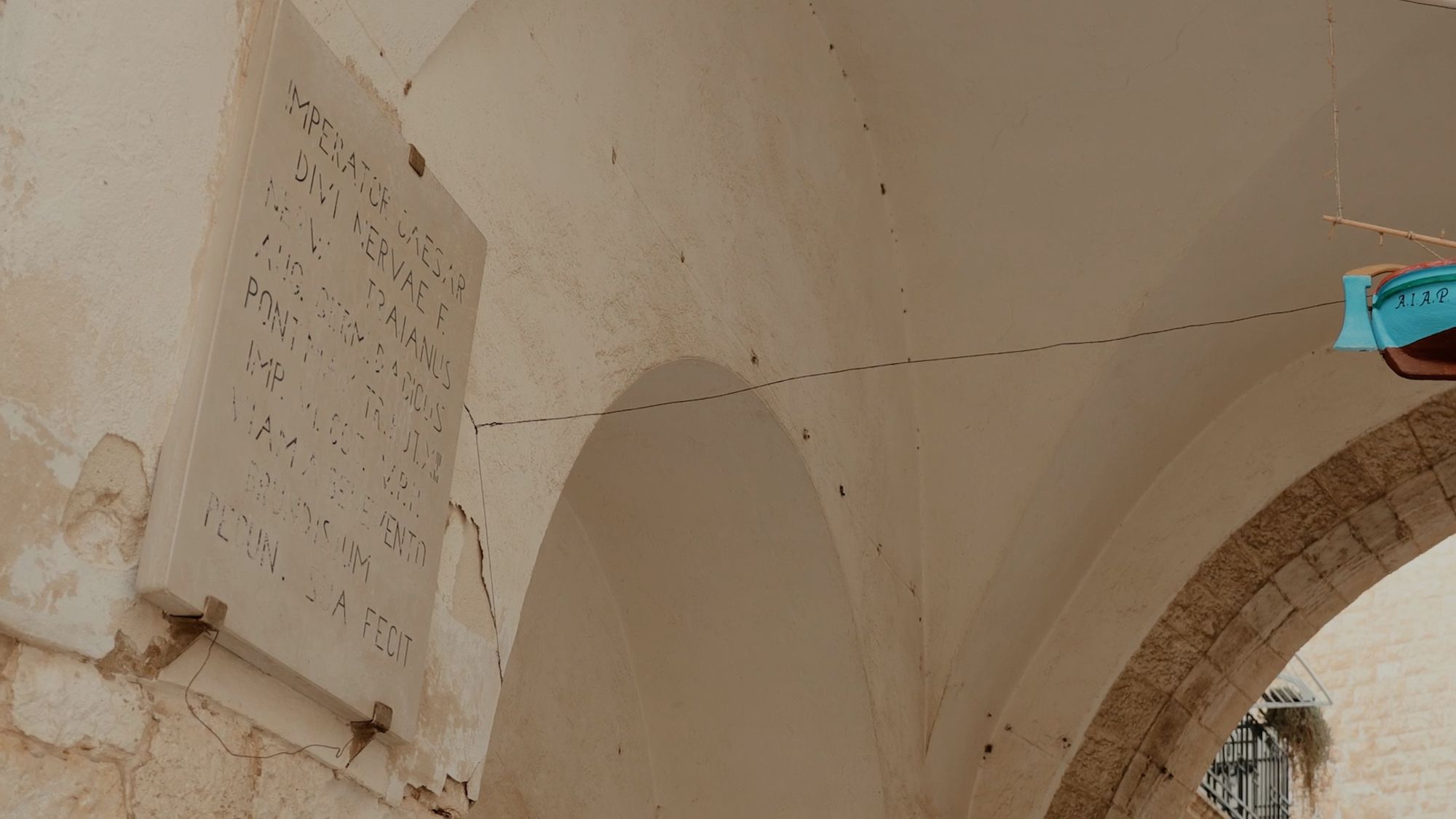
In the last century the name was changed to “Piazza Umberto I”, to honour the King of Italy assassinated in 1900 by the anarchist Gaetano Bresci, an Italian emigrant who returned to Italy from the United States with the sole aim of assassinating the King. Adjacent to the Palace is the Arco Traiano (Arch of Trajan). Although its name evokes Roman times, it was in fact built in the 14th century. It was built using milestones dating back to the 2nd century from the Via Traiana, in order to give the town an important entryway. Every milestone bears a commemorative inscription celebrating the Roman emperor Nerva for having built the road linking Benevento to Brindisi in 109 A.D., thus facilitating comunications between Rome and the East. The epigraph is now illegible but is faithfully transcribed on a slab of stone.