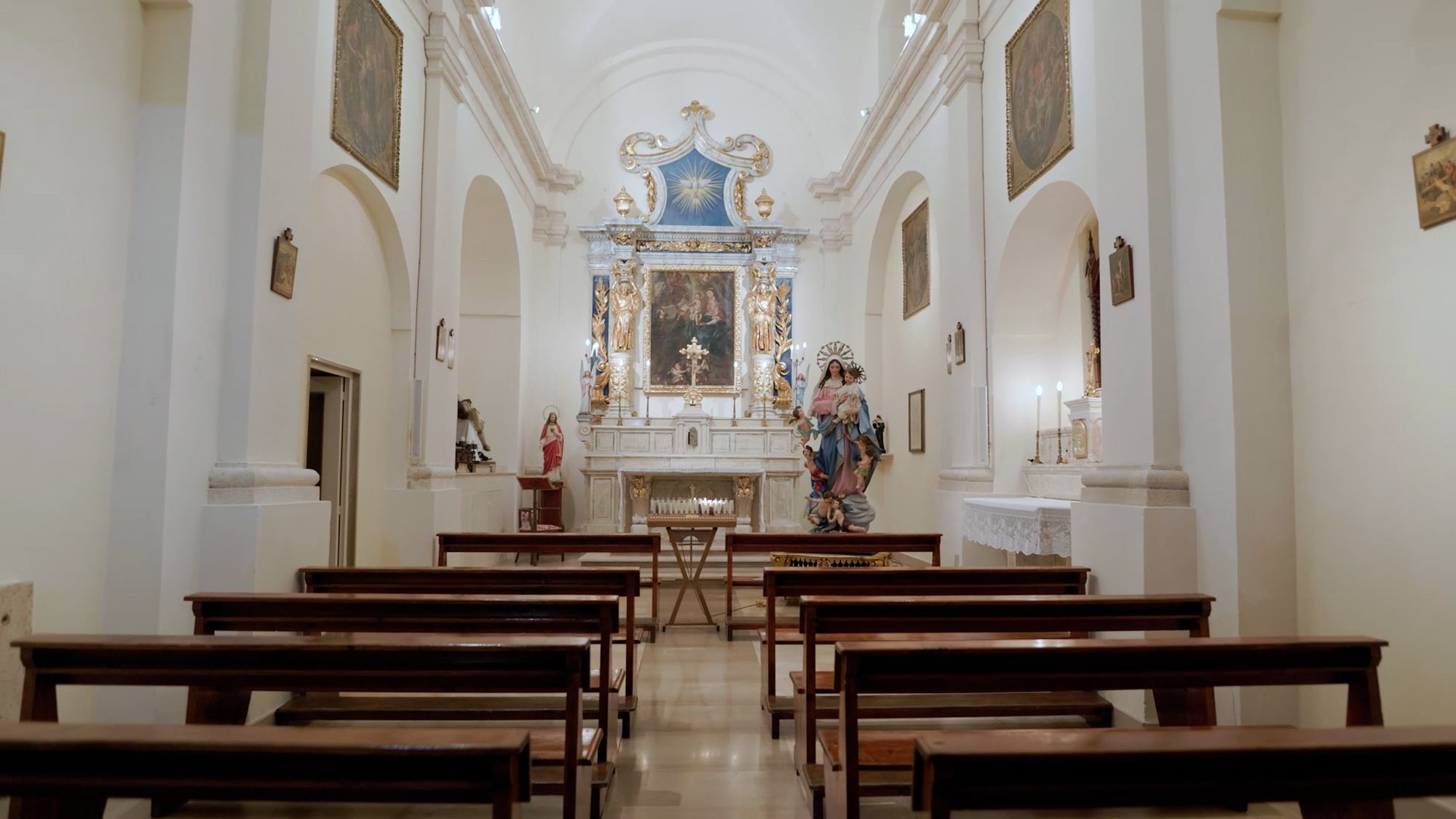
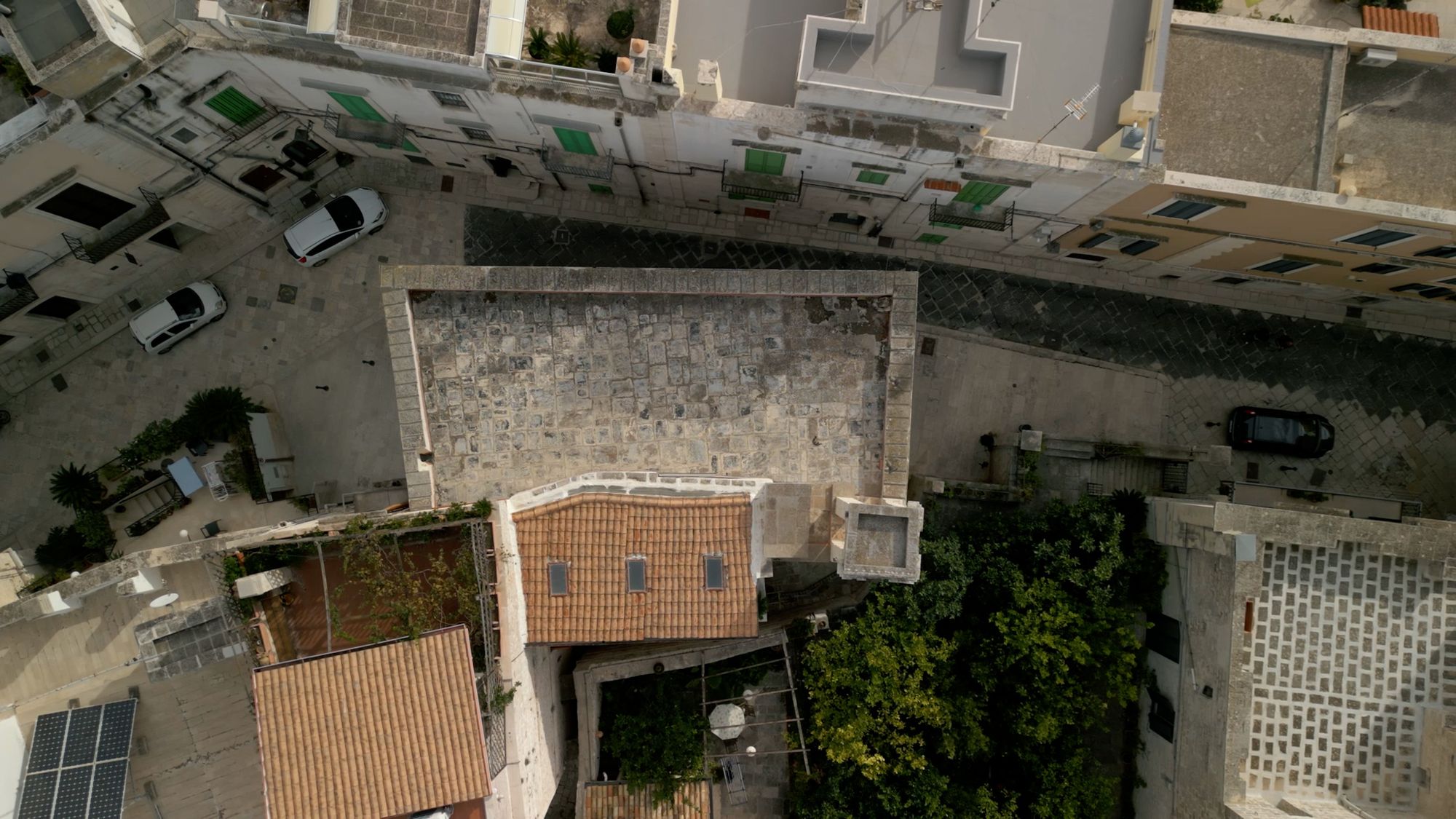
In the heart of the 13th century, when the Norman walls which once surrounded the town were little more than rubble, a church was built and dedicated to Sancta Maria ad Muros. The church, taking its name from its position near the walls, faced Via fossato and was a true testament to the religious fervour of the time. In the 16th century, the building was rebuilt and renamed Santa Maria degli Angeli, embracing the Franciscan spirituality popular at that time.
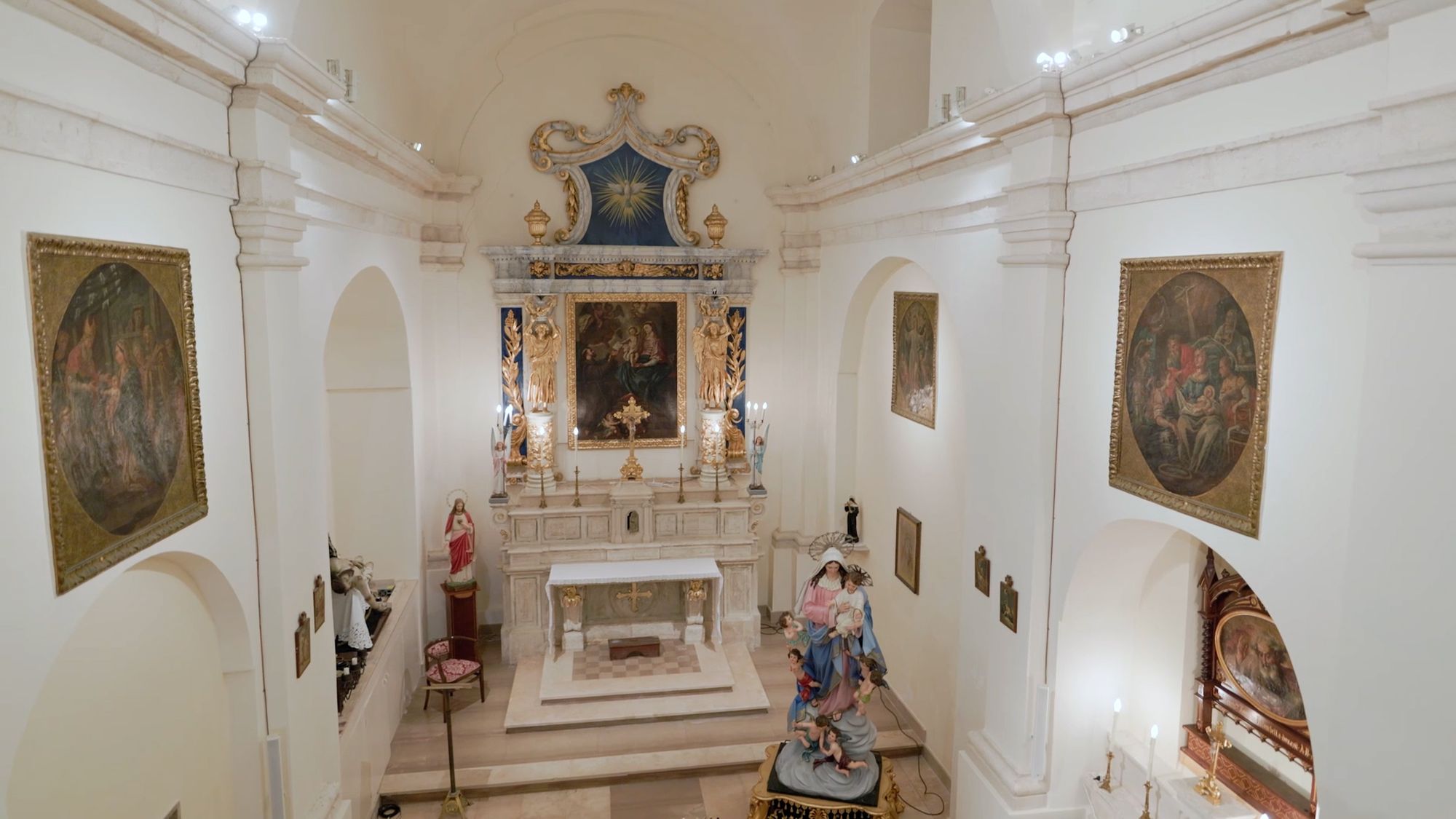
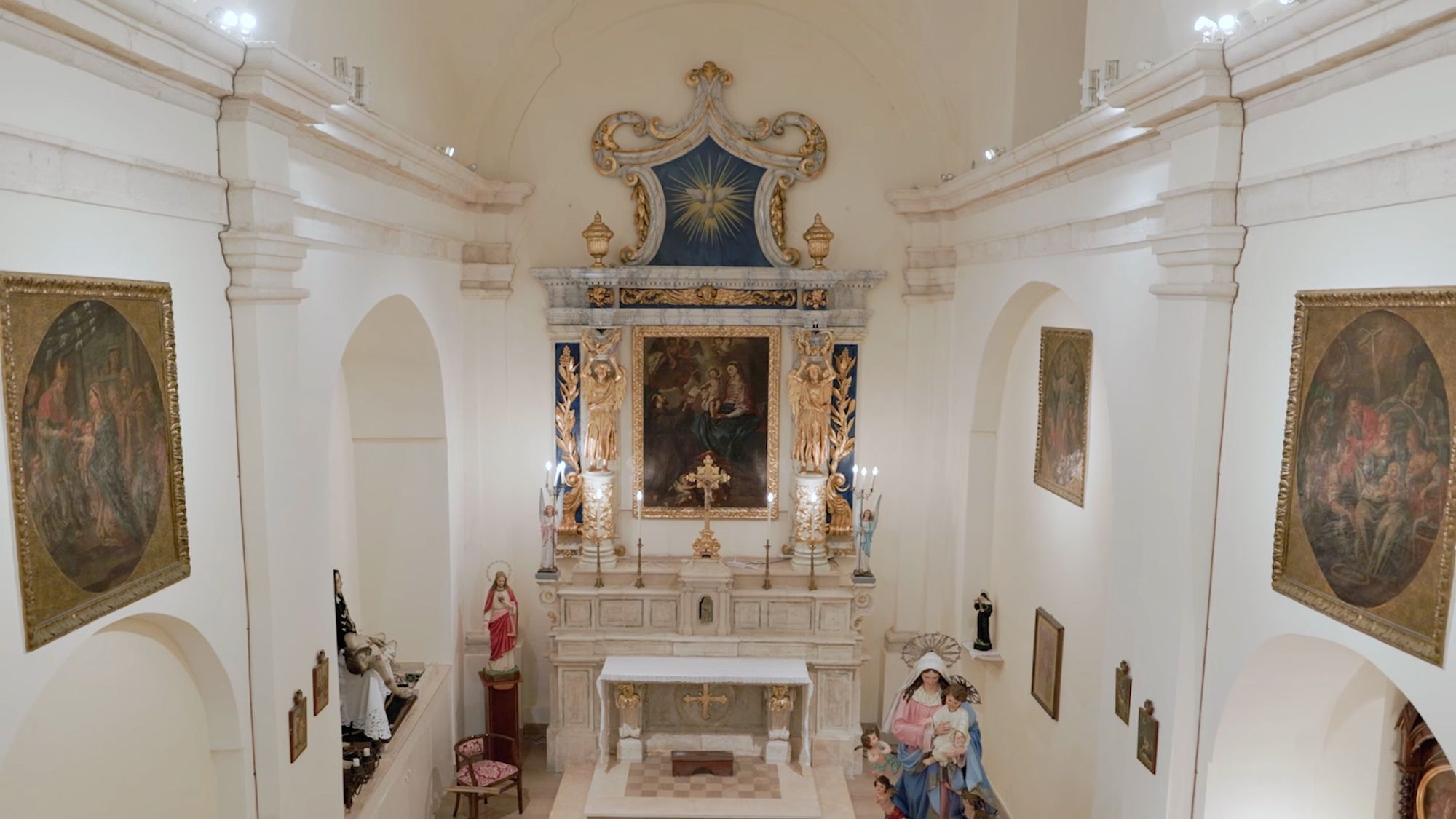
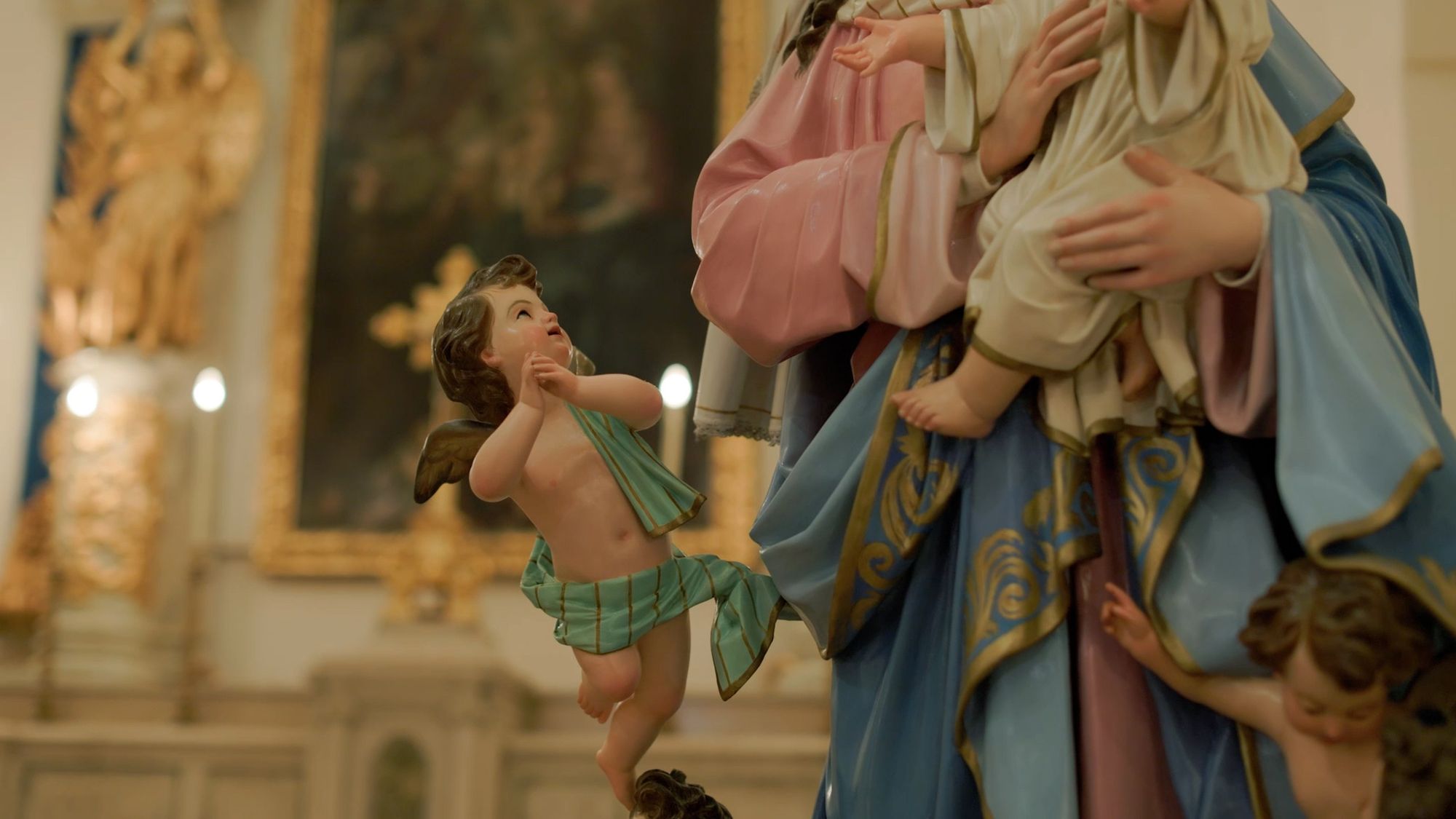
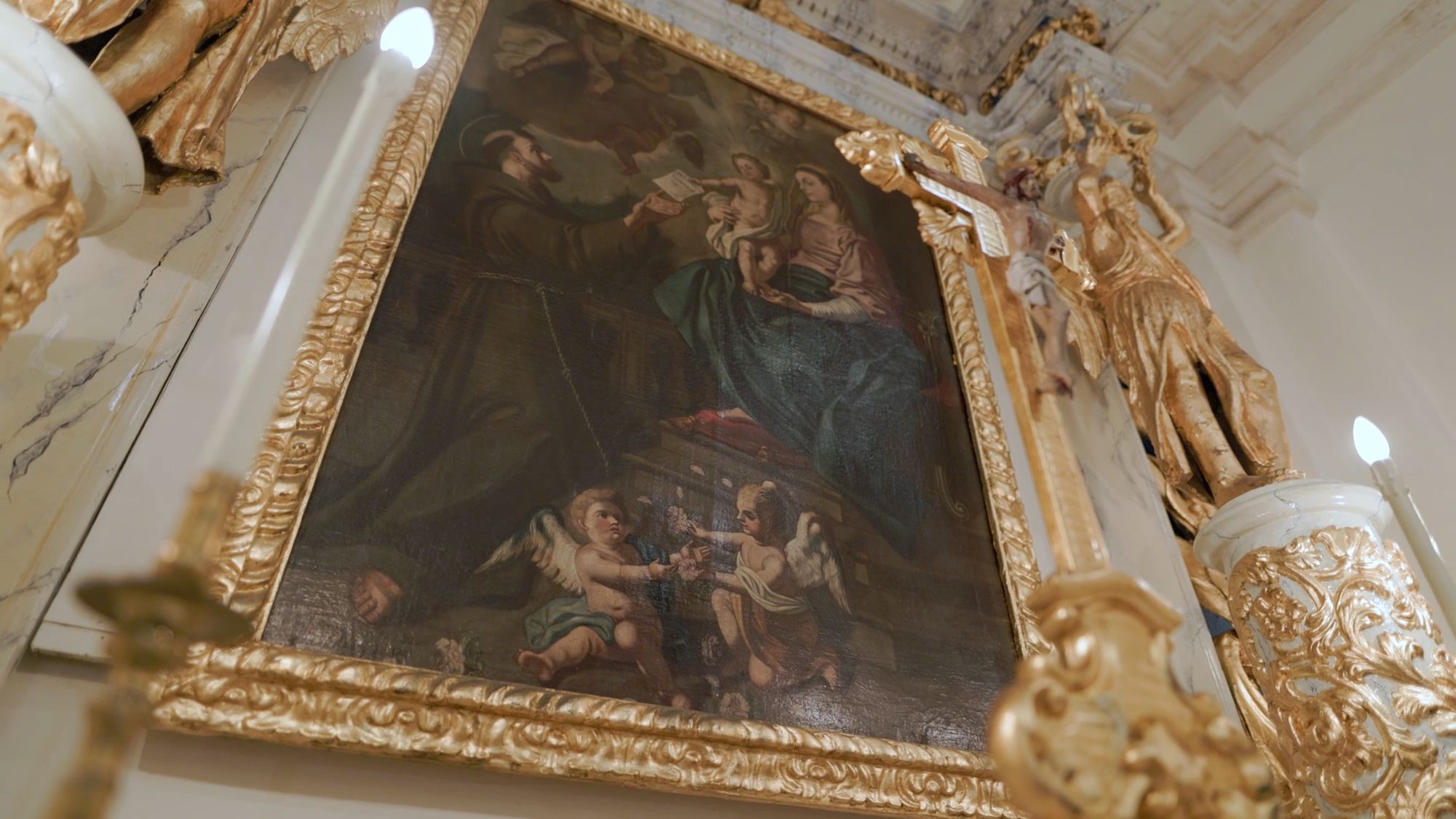
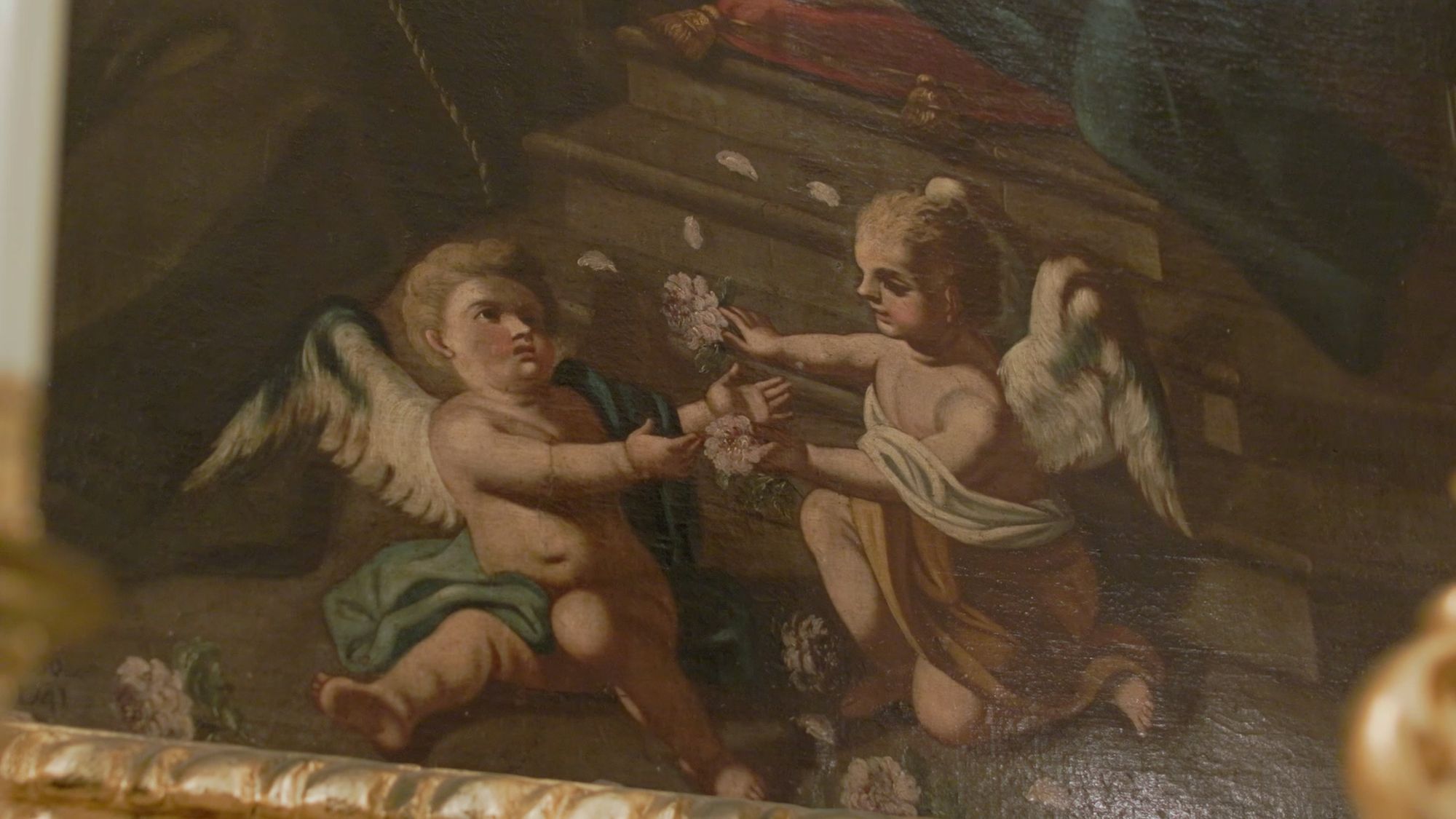
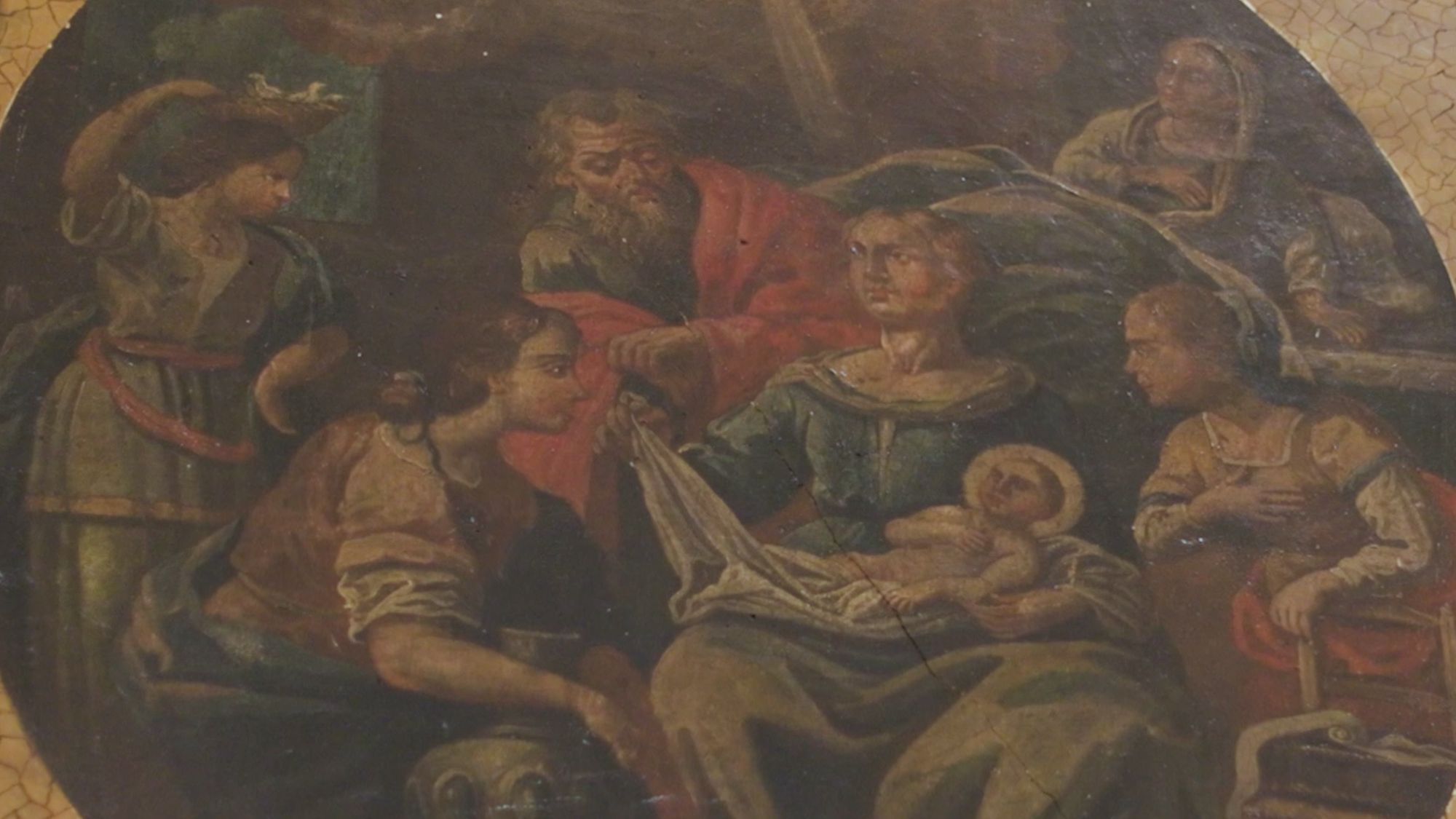
An extraordinary painting adorns the main altar: the Madonna with Child granting indulgence to St. Francis, an 18th century work of art by the Giovinazzo artist De Musso. The fresco medallions on the side walls of the same period illustrate the Nativity, the Presentation of Jesus at the Temple and the Assumption, enriching the church with sacred images of devotion. The right altar is adorned by the painting of the Eternal Father, subject of great veneration in the town. The church has a rectangular plan and is built in blocks of rough-hewn stone. The church also houses statues such as La Desolata, Christ at the Column and the papier-mâché statue of Our Lady of Sorrows, work of the artist Giuseppe Manzo of Lecce.
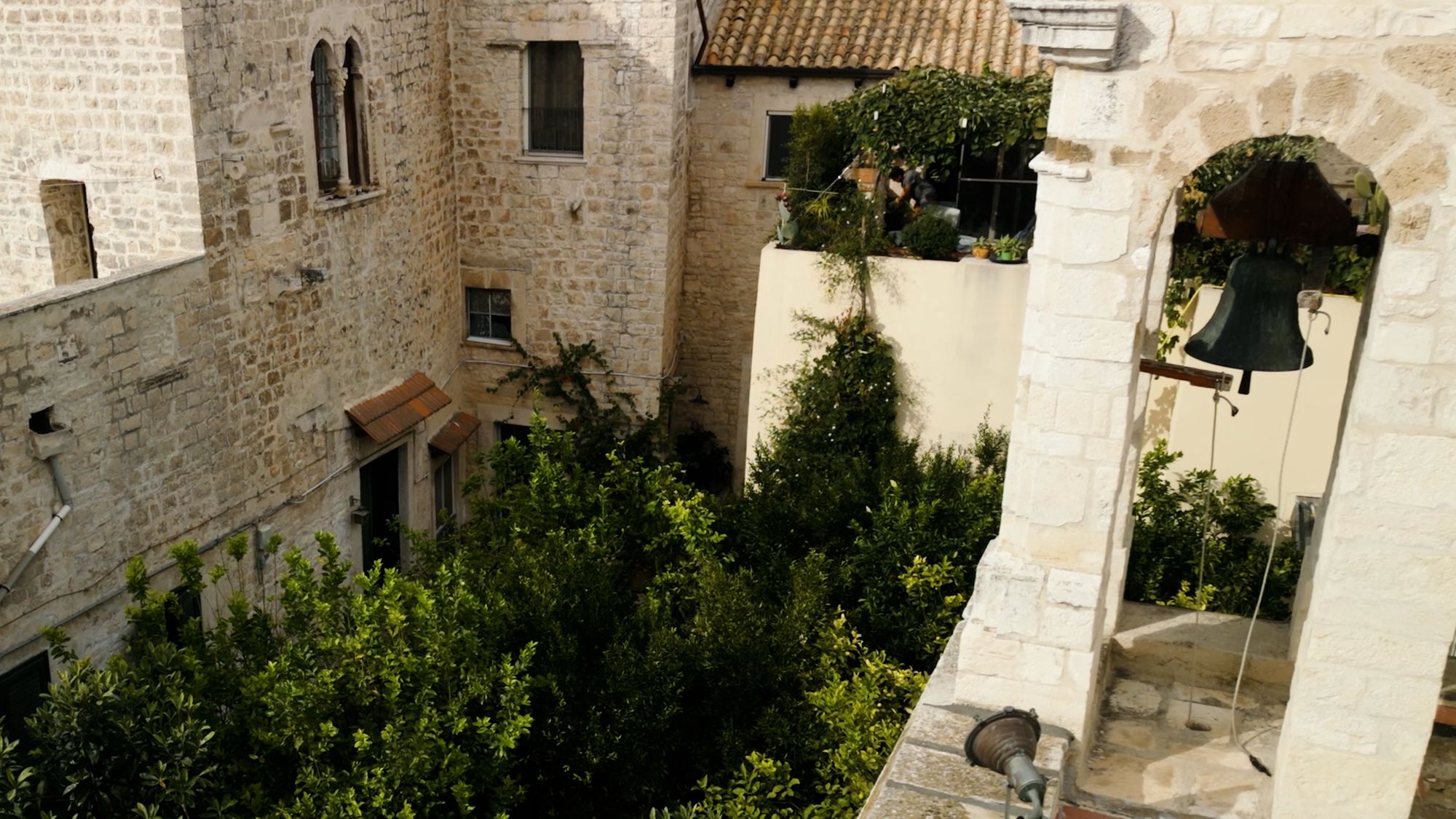
The construction of the church redefined the perimeter of the nearby residence of the Spinelli family. On Via Madonna degli Angeli, a stairway leads to the attractive roof garden of the medieval Sagarriga-Spinelli tower with its abundance of citrus trees. The remains of single lancet windows can be seen and a double-arched window is still well preserved. The baroque-style entrance of the palace bears the traces of numerous alterations over the centuries. The Spinelli family was one of the most influential in the history of the town and boasted important figures such as Coletto, head of the Universitas in the 12th century, Messer Matteo, presumed author of the Diurnali, written in vernacular in the Kingdom of Naples and Nicolò, Grand Chancellor of Queen Joanna of Anjou.